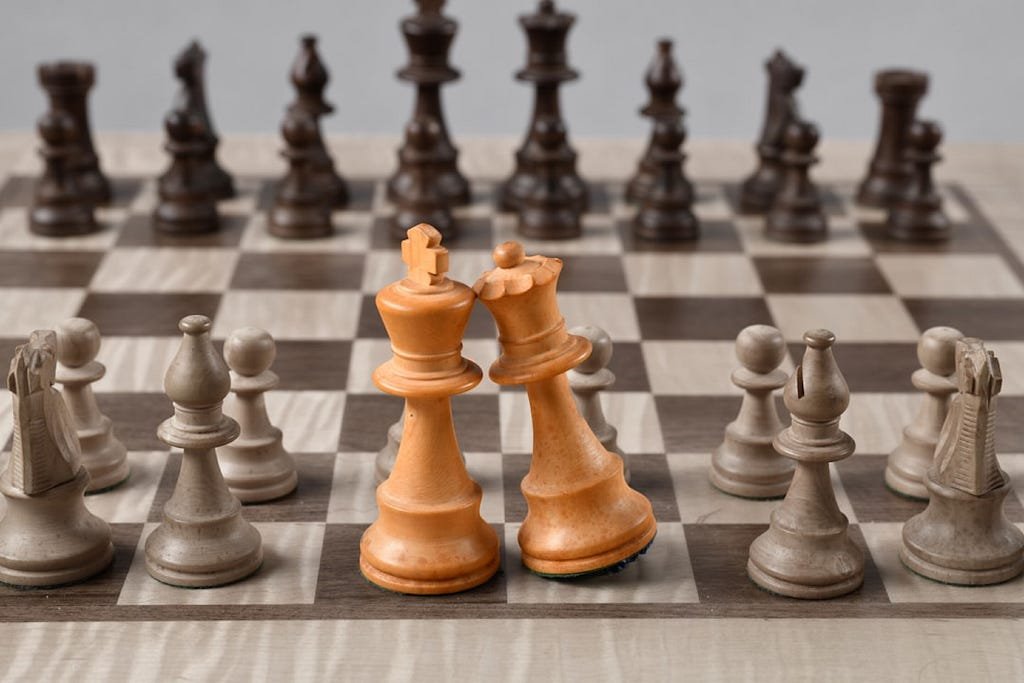
Why Relationships are like a Game of Chess!
Relationships: the only chess game where both players forget the rules mid-fight, where checkmate isn’t the goal, survival is.
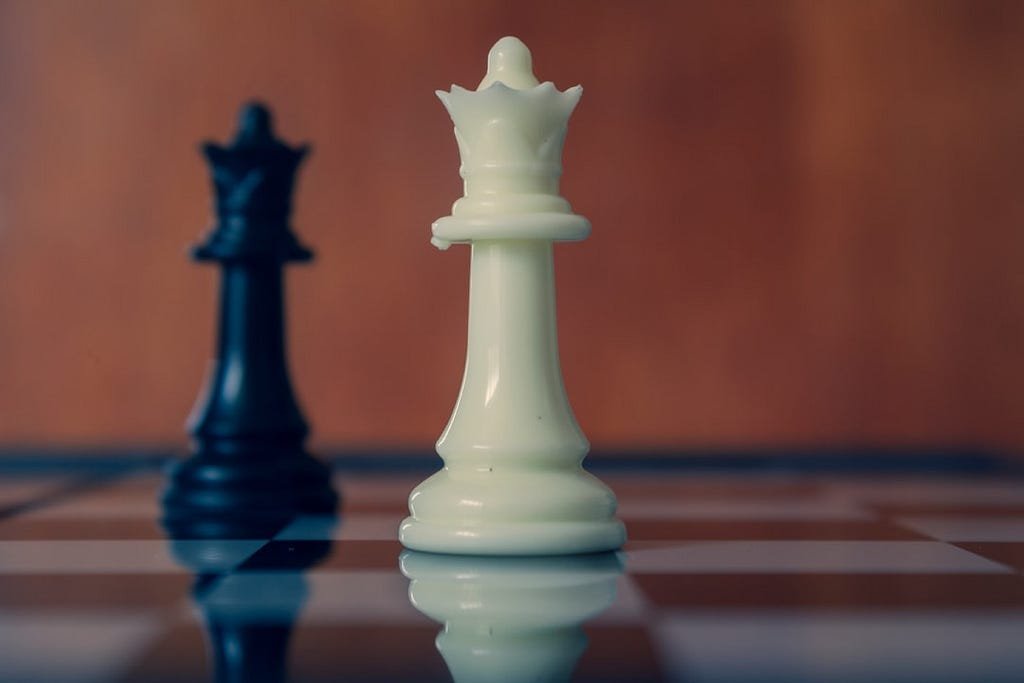
The other day, my son innocently asked, “Which is the most powerful piece in chess?”
Without blinking, I replied: “The queen, of course.”
She glides across the board like she owns the place – diagonal, straight, forward, backward, sweeping majestically across the battlefield like Beyoncé in a Renaissance tour.
But then I thought about it. Is she really that powerful?
Because the moment the king so much as sneezes – check! – suddenly the queen has to stop mid-power-trip and race back like an overworked, under-appreciated emergency responder. The whole game screeches to a halt because His Royal Fragility might be in danger, needing to survive his “man-flu”.
Sound familiar?
Yes, ladies and gentlemen (but especially ladies), the queen may run the board, but the game? Oh, it’s all about the king. You can have an entire chessboard without a queen and still technically keep playing. But no king? That’s it. Game over. Just like real life: man catches a cold – entire family structure collapses.
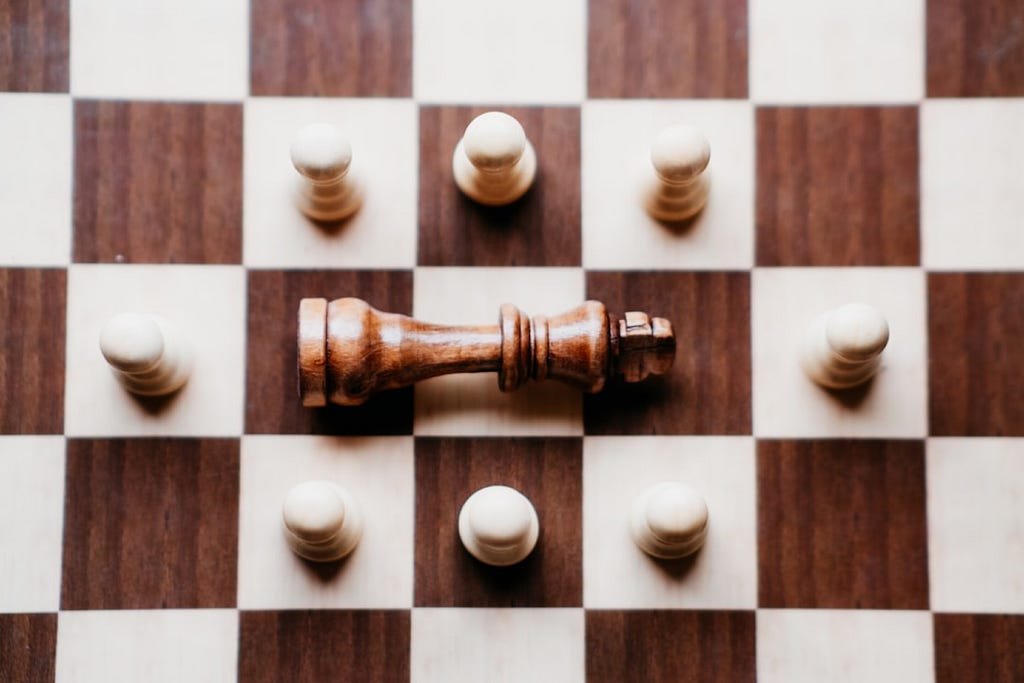
Now let’s talk about the pawns – those sweet, stumbling little pieces that move one square at a time. Pawns are basically kids. Small, numerous, frustrating, and constantly in need of guidance. But here’s the kicker: once a pawn makes it all the way across the board – bam! – promotion! And what do they usually become? You guessed it, another queen.
It’s like watching the kids grow up, leave home, and suddenly mom – the original queen – has a second act. She’s rediscovering yoga, launching that Etsy store, planning trips to Italy. Oh, the pawn has grown? Guess who’s getting her life back!
And let’s not forget the actual moves of the game. Every relationship is a constant back and forth:
“Your move.”
“No, your move.”
“You never take the initiative anymore.”
“Well, you’re always sacrificing the bishop for attention!”
And in every couple, there’s always one person thinking five moves ahead while the other still hasn’t figured out how the knight works. (“Wait, it moves in an L?”)
But here’s the real kicker: in chess, just like in relationships, you can’t win without strategy, patience, and a little bit of pretending you didn’t just make a terrible mistake.
If we really break it down, every single piece on that board is basically someone in the relationship – or at least playing a very familiar role.
So we know who the King is – He’s basically that guy in the relationship who doesn’t really do much, but if something happens to him – total chaos.
The Queen – She’s doing 27 things at once while also silently judging everyone. Will sacrifice herself and the bishop before letting the king skip his meds.
These Pawns are the kids. Or the early relationship efforts. Small, clumsy, and easy to overlook, but they can become something major if you invest enough time and sacrifice sleep for about 18 years.
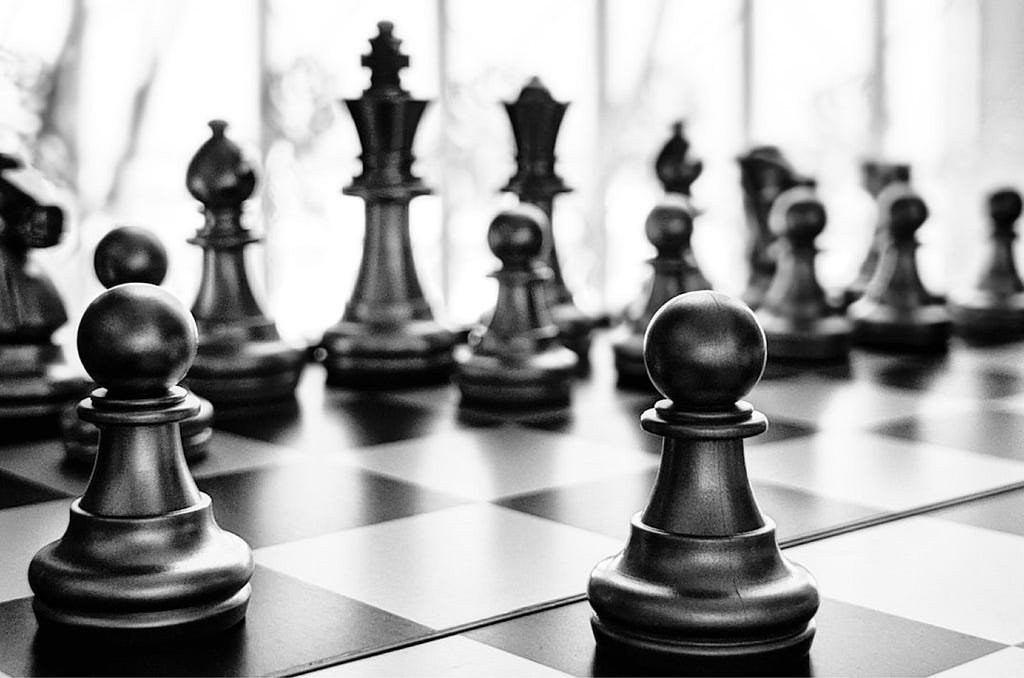
The Bishop moves diagonally, slightly off-center. This is the emotionally intelligent friend or partner who’s always coming at problems from an angle. You don’t fully understand how they work, but you’re glad they’re around offering deep advice and truth bombs that start with “well, technically….”
The Knight is the wildcard in your relationship. Could be the spontaneous romantic gestures…or the impulsive online purchases (“Babe, guess what I bought on eBay!”). Moves in weird L-shapes because logic is optional, like somehow surprising you with weekend plans without checking your calendar.
The Rook (Castle) is the solid, straightforward, dependable move, where “Mi casa es su casa” holds the whole domestic infrastructure together. No drama. No detours. Just gets things done. Grocery shopping list with military precision, never forgets the milk. Emotionally? A brick wall. but will always fix the Wi-Fi and knows the car’s tire pressure.
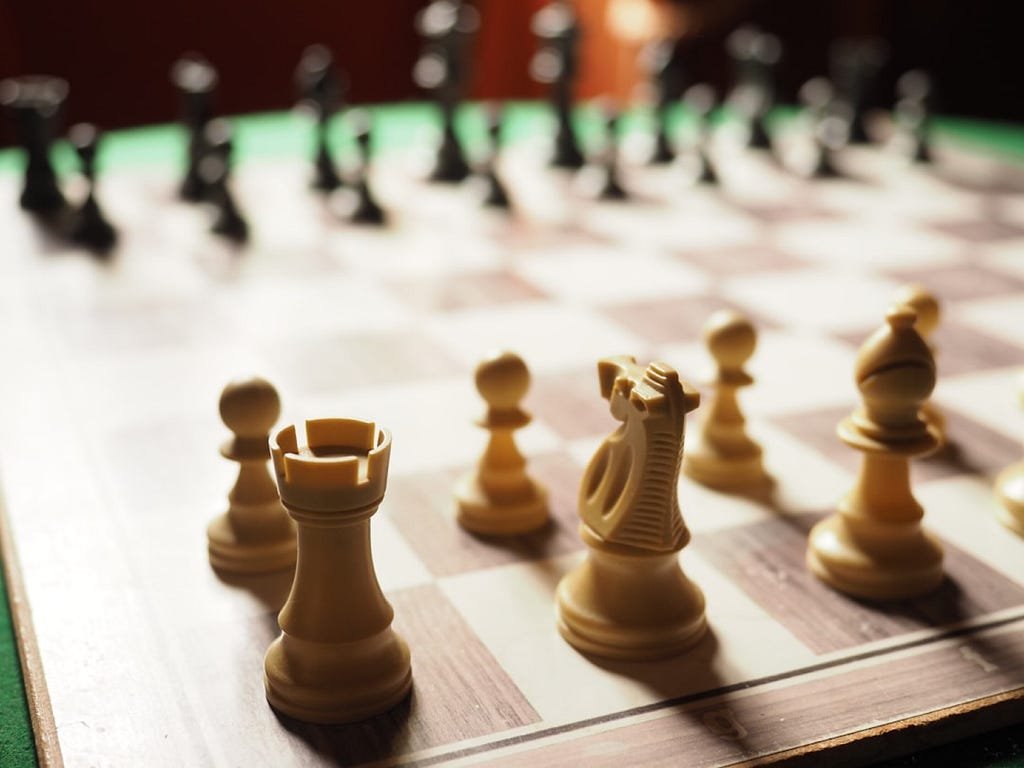
Then there is the Castling (Special Move) where the King suddenly swaps places with the Rook, like a coordinated parental maneuver. You’re tired? Fine – I’ll take the kids to school, and you handle dinner. It’s a tactical panic-driven dance call, that gives illusion of “everything is fine..just fine.”
The En Passant – A sneaky move no one remembers until it ruins your day. The “I told you about this dinner three weeks ago” move that was never, in fact, discussed. You didn’t see it coming. You’re not sure how it happened. But suddenly, you’re guilty and confused and Cold War has erupted out of nowhere.
And that’s not all! Sometimes you find yourself playing Multiple Games of Chess… At Once.
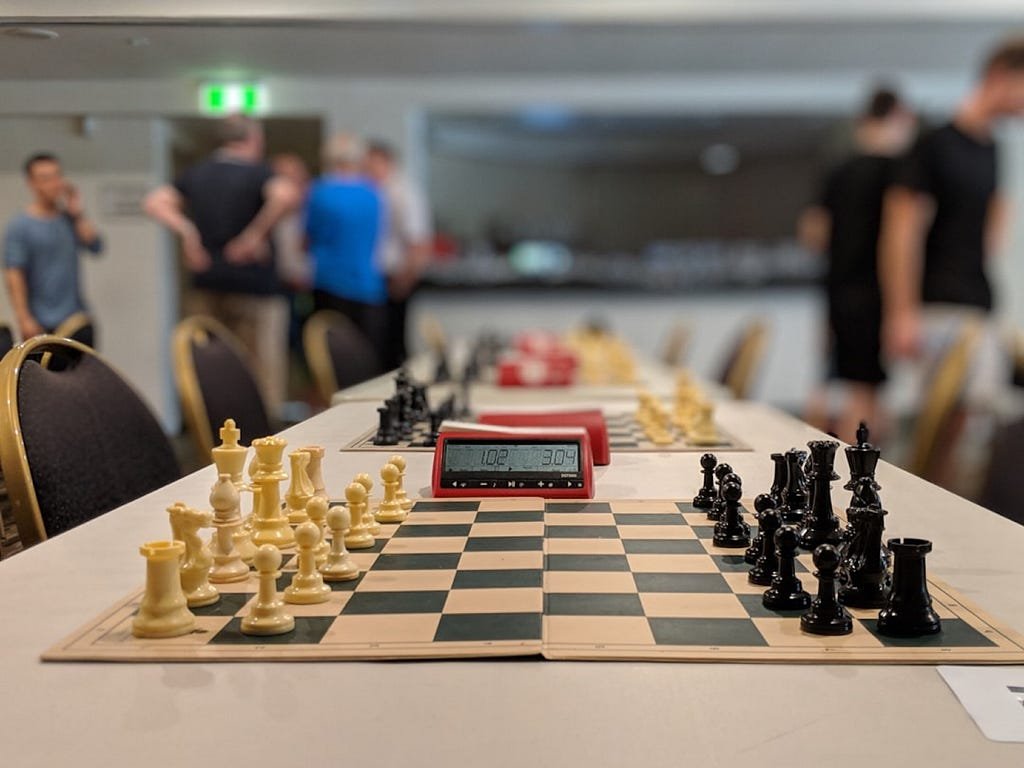
Because let’s be honest – one relationship isn’t just one chessboard. No, no. In real life? You’re juggling like three games at the same time, minimum.
Game 1: You vs. Your Partner
This is the classic: “What’s for dinner?” turns into a cold war of “You decide” vs. “No, YOU decide.”
Someone forgets date night – Check.
Someone says “Are you really wearing that?” – Checkmate.
Game 2: You and Your Partner vs. The Kids
This is survival-mode chess. The pawns have unionized.
One is teething, one’s crying, one just painted the dog.
You and your partner make frantic eye contact across the living room like two rooks trying to castle under fire.
Check: Bedtime.
Checkmate: One of them says, “I think I swallowed a Lego.”
Game 3: You vs. Your In-Laws / Society / That One Passive-Aggressive Group Chat
This board isn’t even fair. The opponent has extra bishops (cue: Aunties) and an emotional advantage.
Your queen (aka you) is trying to stay classy while fielding unsolicited advice about parenting, finances, and whether you’ve “thought about essential oils.”
Check: “When are you having a second child?”
Checkmate: “We’re just dropping by real quick!”
And in some occasion?
You’re not even playing.
You’re just the pawn in someone else’s game.
Like when your friend drags you into their drama with their partner and suddenly you’re three cups of wine deep trying to explain en passant move using emojis.
Now, in real chess, only a few pieces can actually retreat. The queen, the bishop, the rook and the knight– they can back up when things get too hot.
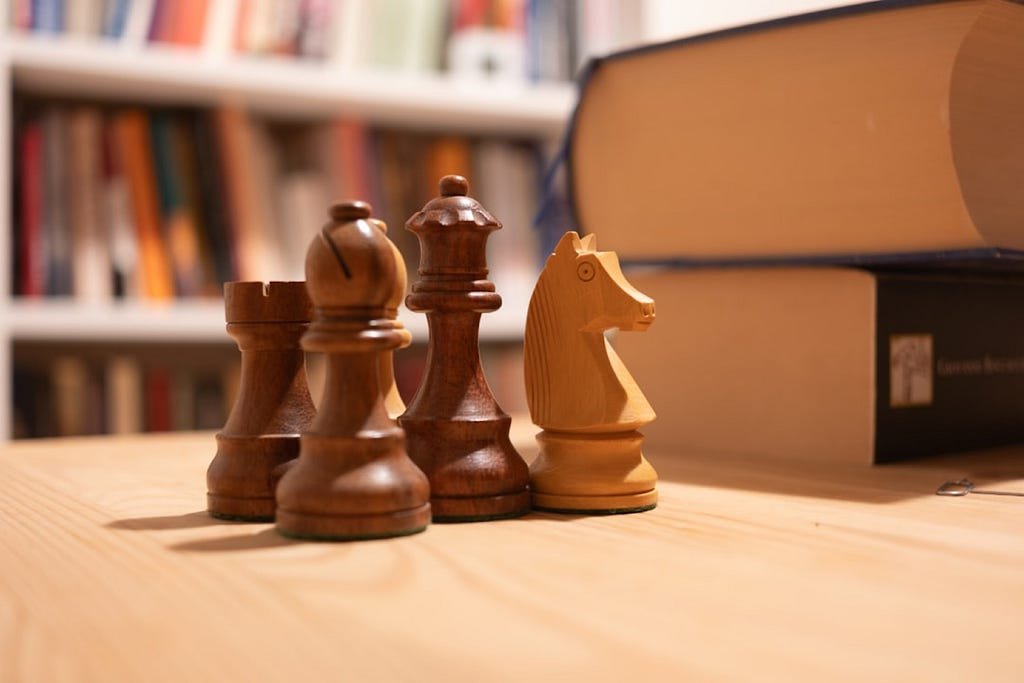
In real life though, it is more like how you storm out mid-argument, dramatic as a knight on a caffeine bender – and then 30 minutes later, you slide right back in like
“Sooo… you hungry?”
Because yes, we fight. We charge forward.
We say things like “You always do this” and “This is just like last March!”
And then – we realize we might’ve overextended ourselves like a pawn with no backup or like a Bishop’s move putting your Queen in jeopardy.
That’s when you cue in the “relationship retreat move” as I like to call it. Because you’re mad – but you’re also not letting him starve. It is like leaving home mid-fight and coming back with iced coffee or your favourite ice cream, a silent hope to distract you with food and a silent pledge of “let’s never talk about that again.”
Retreats in chess – and in love – aren’t about weakness.
They’re strategy.
Sometimes you have to take a step back, reset the board, and remember you’re not against each other… you’re just two random weird pieces thrown on either side trying to make ends meet in the middle! In love, as in chess, it’s about playing the long game. Anticipating moves. Making sacrifices. Protecting each other.
Let’s give that a moment. Because nothing says real couple energy like spending hours, emotions, and passive-aggressive jabs only to land at…
“Fine. Whatever. Agree to disagree.”
Even if sometimes the only move is a humble shuffle backward and a whispered:
“Okay… maybe I was being a bit dramatic.”
You’ve argued.
You’ve retreated.
You’ve deployed bishops of blame and knights of sarcasm.
Pawns have been sacrificed (probably your weekend plans).
Occasionally en passant the castle when he tries to assemble IKEA furniture without instructions.
The queen is over it. The king just wants peace.
And then…
No one’s winning. No one’s budging. No one even remembers what the fight was about anymore.
And we have now arrived at the most likely outcome: The “Relationship Draw”
You both ran out of moves. Emotionally paralyzed. No one’s saying anything. But the silence?
Thick enough to cut with a butter knife.
You’ve had this fight before. Three times this month, in fact.
You both realize: this isn’t worth burning the house down.
Neither of you is totally right, but hey – neither is totally wrong. You believe what you believe. I believe what I believe. Let’s just love each other and never bring this up again.
This is the rare, emotionally mature draw.
And as long as nobody flips the board and storms off – we’re all still playing.
And sometimes?
A draw is a win.
Because let’s face it – real relationships aren’t about crushing your opponent.
They’re about surviving the game, laughing about the mess, and making sure there’s wine for the rematch.
Because tomorrow?
New board.
Same players.
Still in love.
Still slightly competitive.
Still moving in weird L-shapes toward compromise.
Draw accepted. Let’s go to bed.