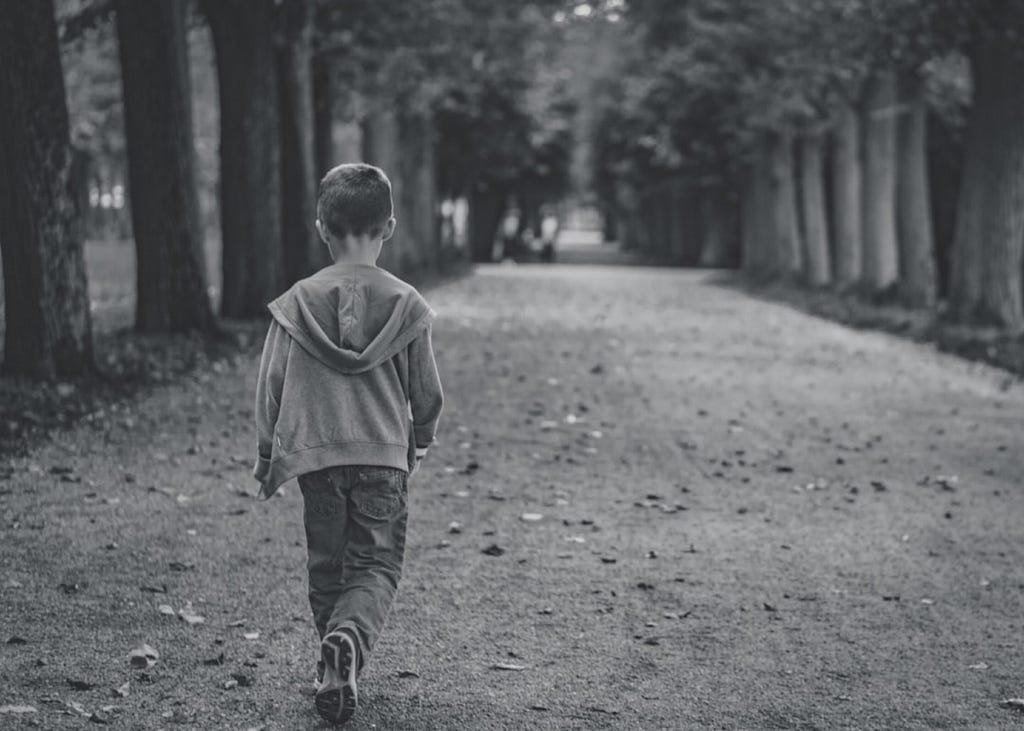
Sometimes toxicity between siblings doesn’t look like screaming, name-calling or hatred. Sometimes it looks like one person quietly giving and another person quietly getting used to receiving.
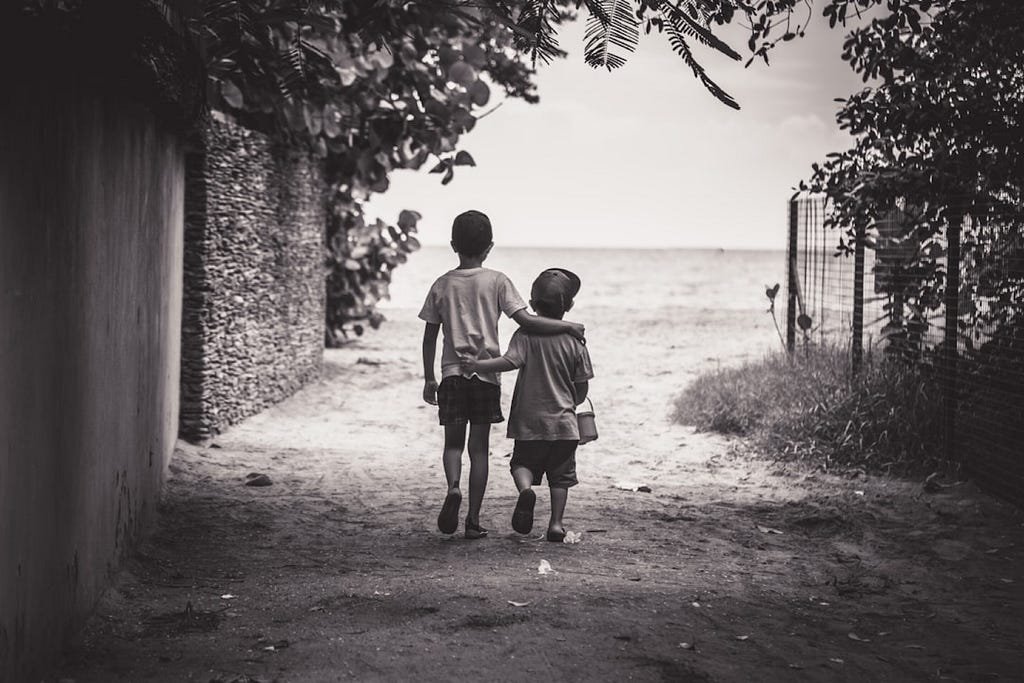
Sibling relationships are tricky.
You are born together. You grow up together. You live together. You share a room. You fight over the TV remote. You steal each other’s food. You complain about each other to your parents and then, five minutes later, stand together when someone else says something about either of you. For a while, it feels like it is the two of you against the world.
And then, slowly, you create your own worlds.
You have your own friends, your own jobs, your own partners, your own children, your own worries. And suddenly, the sibling who was once the first person you ran to is no longer the first person you talk to about your problems, your worries or even your happy moments.
It’s Instagram or TiK-Tok. Friends, Colleagues, your respective husband/wife, even children.
You grew up knowing things about each other that nobody else knows. But somewhere along the way, the relationship that had no question of priority suddenly feels like there is no time for it, no priority or even feels like of no importance. Your sibling is calling, I’ll call them back you say nonchalantly and continue the Netflix movie you have paused.
Then there are parents. You are still reminded of this sibling relationship’s importance because there are appointments to remember, paperwork to sort, phone upgrades to be installed, phone calls to make, things to organise. You think “we are siblings, we will figure this out together.”
Except sometimes, you don’t.
There is always that one sibling who always takes care of things. One who always lends a hand when someone is short of cash. One who risks their job to make phone calls, fill up forms, remember appointments and sort out the problems.
There is always one who says
“Don’t worry, I’ll take care of it. I’ll do it.”
Not because they were asked.
Because that’s what siblings do.
Or at least, that’s what they thought siblings did.
But the sad part? When you do something long enough and often enough, people stop seeing it as help.
It’s not a favour. It’s an expectation.
They don’t say thank you anymore, not because they forgot; but because somehow somewhere along the way your help has become the arrangement.
“I know you are struggling with this, but what to do… I have to take care of things at my end, but I know you will take care of this somehow.” – Click, the phone gets disconnected.
Now you being the empathetic sibling are thinking Oh Dear, I can’t rely on others to do this now, it’s my responsibility after all and that’s perhaps where toxicity begins.
Not necessarily with shouting.
Not necessarily with hatred.
Toxicity between siblings looks like one person is used to giving and the other person expects to be receiving, no matter the circumstances.
When one day the person who has always managed, doesn’t manage anymore.
They are late paying the bills.
They forget commitment.
They don’t have the time to occupy with your needs like they used to.
They say “I can’t do this right now”
And suddenly everything changes, your perfect world feels like in disarray
You have forsaken me.
You have left me to fend for myself. How will I afford this lavish lifestyle?
I thought I could count on you. When I need you why aren’t you dropping everything to run to my side?

But did you ever stop and think about what was happening to the person who had always been there for you?
Did you ever think about getting up and helping them in return?
Did you ever ask “What’s happening? Do you need help too?”
You were quick to ask
“Why didn’t you do this?”
But you never said
“Can I do this instead?”
You never said
“Leave it with me, please don’t worry about it.”
You remember the one time I failed you, but you forgot the hundred times I showed up.
You remember the missed payments, but forgot all the college payments lent.
You remember the phone call I didn’t make, but forgot all the phone calls I took in midst of my meetings/doc visits or travels.
You only remember the time your sibling wasn’t there.
But you didn’t ask why.
And that is the part that hurts.
People don’t need you to fix something, at times people just need you to notice.
Notice the person who always has it together might not have it together anymore.
Notice that their I can’t might actually mean I have nothing left.
But instead all you said is “Why didn’t you tell me?”
As if you would have noticed if they had.
So I write to you today, sibling, to say this.

I might have held your hand when we crossed the road.

I might have bought you an ice pop when you asked.
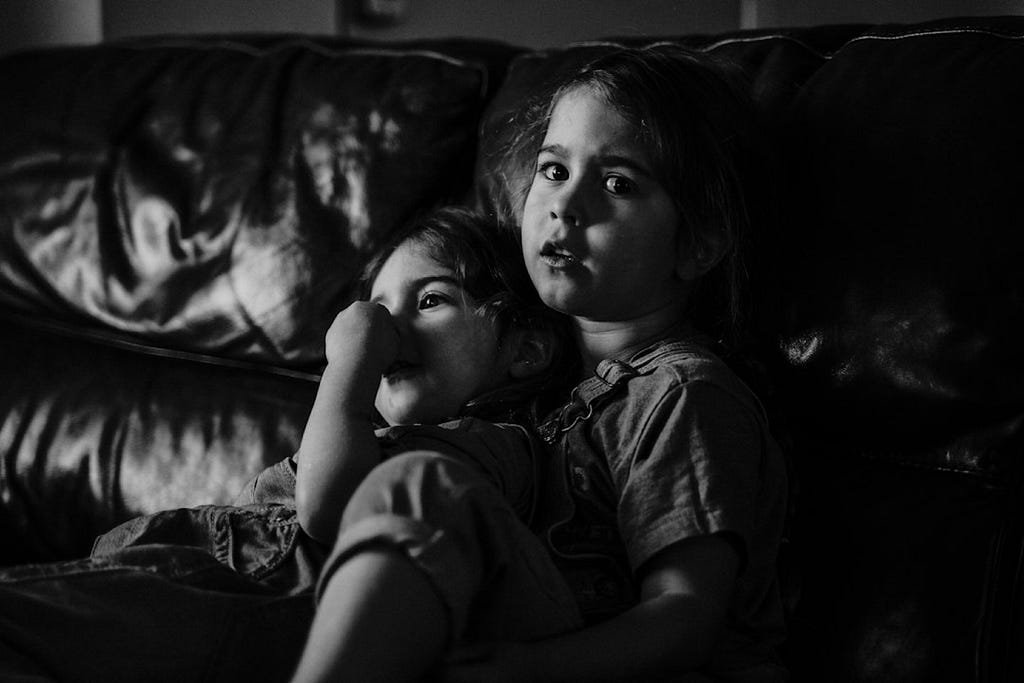
I might have shared my chocolate with you, without even thinking twice.

I might have sacrificed my umbrella so you wouldn’t get wet.
But now my shoes have holes in them.
And you haven’t thought to even look at them.
You only see that I’m no longer there to cross the road with you.
You did not see the empty pockets that had no jingling coins. You only got annoyed that I didn’t have an ice pop waiting for you.
You did not realise that I have my own family now, and it is my responsibility to keep them safe from the wind and rain too.
But you only felt betrayed because I kept my umbrella to myself instead of giving it to you.
The moment the helpful sibling says “I can’t do this this time,” it is interpreted as selfishness rather than exhaustion.
“We’re siblings. Who else am I supposed to ask?”
As vulnerable as that sounds, it is as though being family means one person’s resources automatically belong to the other. As though a person is not allowed to change, have less money, less energy, less time or their own responsibilities.
Well, that ends here.
Because siblings we may be. Close we may have been.
But the scale has tipped.
The balance has changed.
While I kept you always as my priority, I didn’t even make the list for you.
And I know now when to walk away.
When to stop explaining.
When to stop waiting for someone to notice that I am struggling too.
Because I am your sibling.
I was born with you.
I grew up with you.
I will always have a part of you in me.
But I don’t have to die for you a little every day.
And perhaps one day you will ask, “Why did you stop?”
And I may finally have an answer.
“I didn’t stop loving you. I didn’t abandon you. I stopped being able to carry you.”
There is no anger left in that answer. Only understanding.
Sometimes loving someone means helping them.
Sometimes it means standing beside them.
And sometimes, it means stepping back and letting them stand on their own.