There’s a strange pattern in so many stories we grew up with. Women aren’t really given freedom. Instead, they’re given a choice between two undesirable options and told it’s romantic, moral, or heroic.
Not freedom. Just a slightly less bad cage.
And the weird part? Many of us grew up accepting these choices as normal.
Let’s start with the tale as old as time.
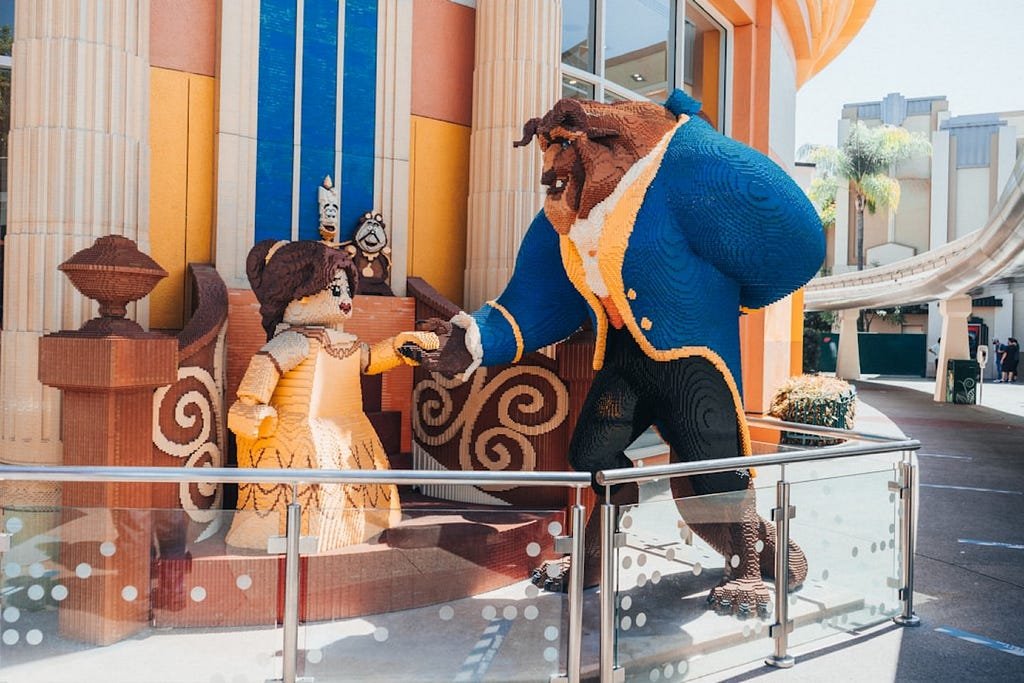
Beauty Would Rather Love a Beast Than Marry Gaston
In Beauty and the Beast, Belle is surrounded by a village that worships Gaston.
Gaston is handsome, admired, and “socially acceptable.”
But he’s arrogant, entitled, and treats Belle like a prize.
So Belle chooses the Beast.
The story celebrates it as love conquering appearances, but it’s also telling: the only alternative to toxic masculinity is literally a monster who learns to be decent.
Belle doesn’t choose independence.
She chooses the less bad man.
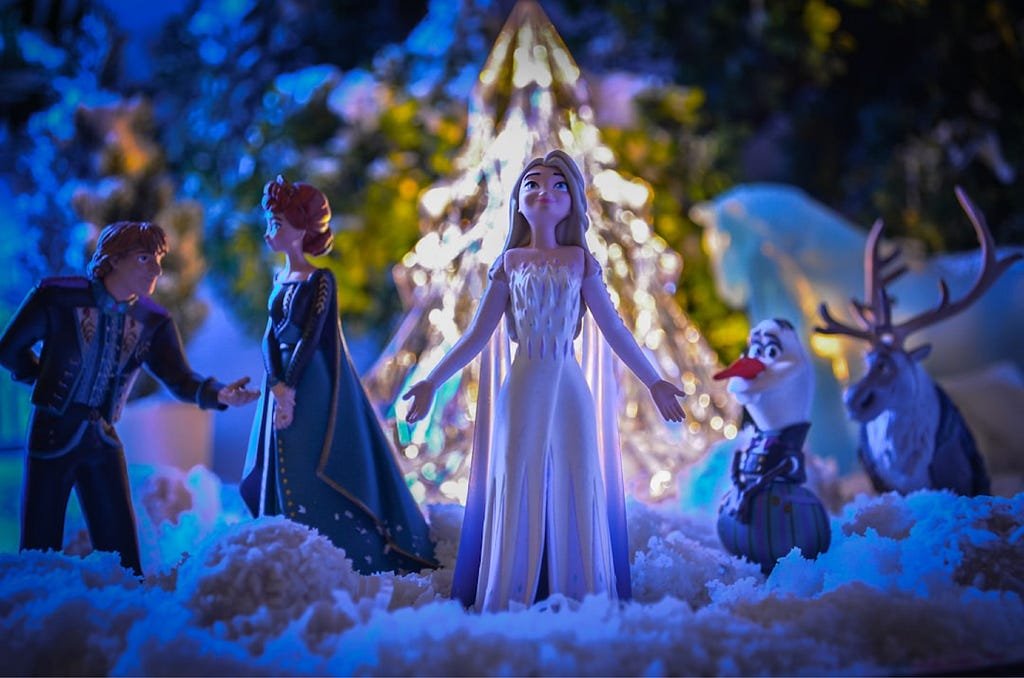
Anna Would Rather Marry a Stranger Than Be Alone
In Frozen, Anna meets Prince Hans and immediately agrees to marry him.
Her sister Elsa reacts with the only sane response: “You can’t marry a man you just met.”
But the deeper question is: why is Anna so desperate to?
Because the narrative sets up loneliness as something worse than danger.
Marriage, even a reckless marriage, is presented as a solution to isolation.
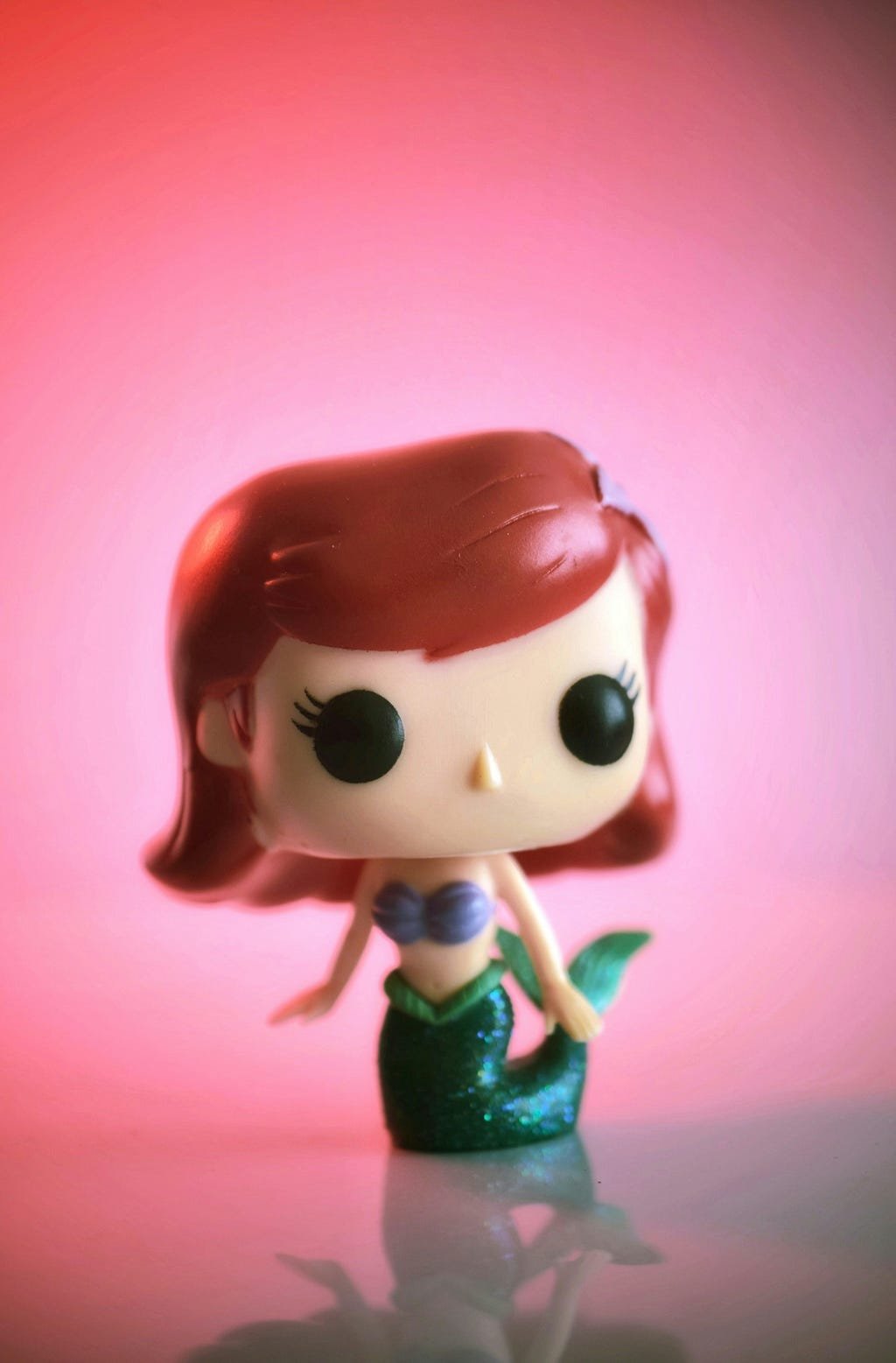
Ariel Would Rather Give Up Her Voice Than Lose Love
In The Little Mermaid, Ariel trades her voice to Ursula in order to pursue Prince Eric.
Her options:
- stay in the sea and abandon her dreams
- sacrifice her voice and identity for love
The metaphor is painfully literal: romantic success requires silence.
She doesn’t negotiate a better deal.
She doesn’t pursue adventure independently.
The story frames self-erasure as bravery.
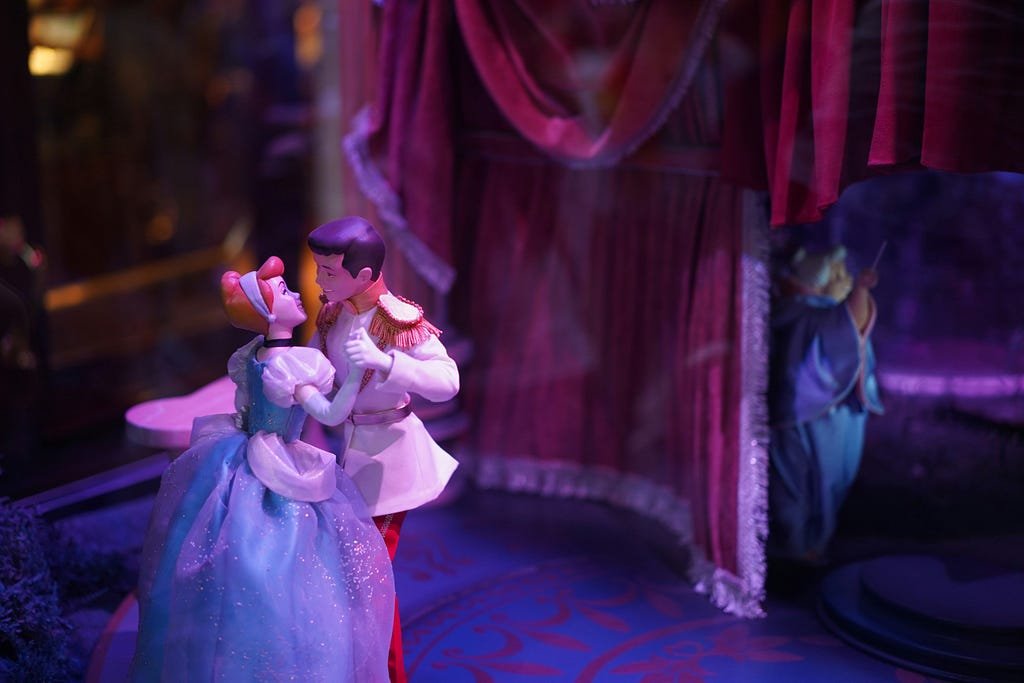
Cinderella Would Rather Marry a Prince Than Stay a Servant
In Cinderella, Cinderella lives under the cruelty of her stepfamily.
Her choices are basically:
• lifelong domestic slavery
• marry Prince Charming
Escape comes only through romantic rescue, not through self-determination.
The moral quietly becomes:
marriage is the only way out for a woman trapped by family or class.
Across cultures and centuries, the pattern repeats:
Women aren’t written as agents of their own lives.
They’re written as symbols whose choices prove something.
The pattern appears in ancient epics too. Historically, stories were written in societies where women had limited autonomy. Narratives reflected that reality.
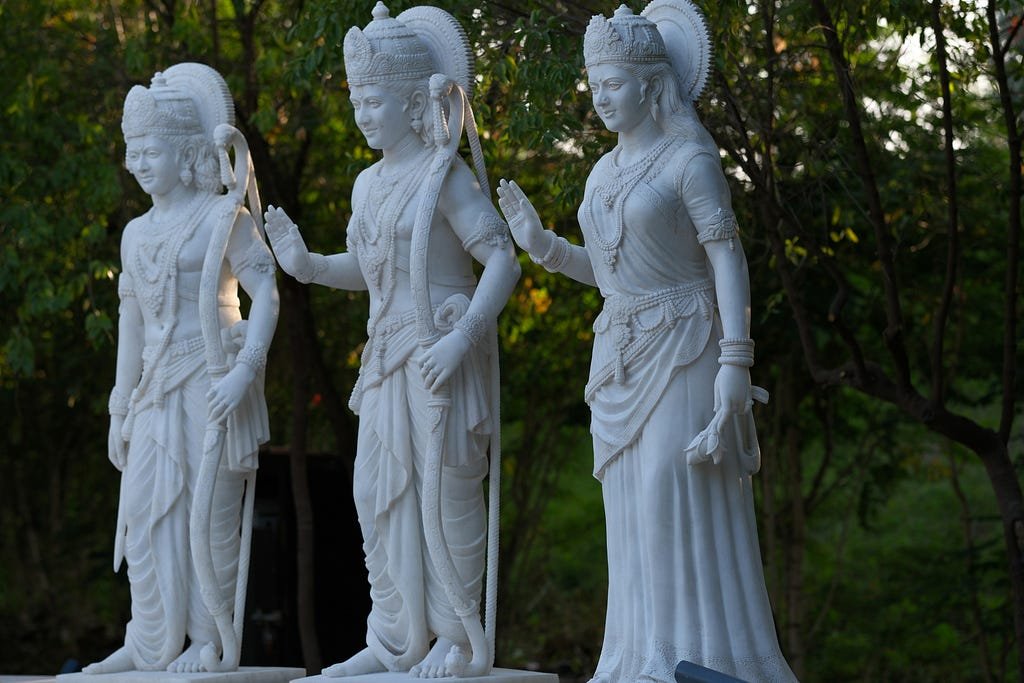
Sita Would Rather Wait for Rama Than Leave With Hanuman
In Indian mythical tale of Ramayana, Sita is abducted by Ravana.
When Hanuman finds her, he offers to carry her back immediately.
She refuses.
The traditional explanation is chastity and honour: she wants only her husband Rama to rescue her.
But it raises a fascinating question:
Why is the story structured so that Sita cannot rescue herself or simply leave?
Her virtue is tied to waiting.
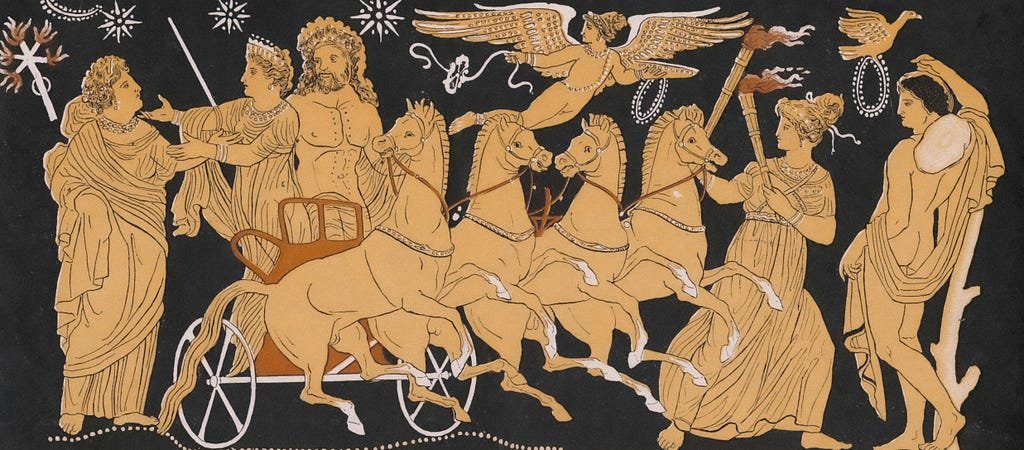
Persephone: Kidnapped Bride or Eternal Darkness
In Greek mythology, Persephone is abducted by Hades.
Her mother Demeter demands her return, but the compromise is strange:
Persephone must spend half the year with her kidnapper.
Her choices:
- eternal imprisonment
- shared custody of her own life
The myth explains the seasons, but it also reveals how normalized forced marriage narratives were.
Across myth, fairy tales, Bollywood, and literature:
Women’s stories are often written as moral dilemmas instead of freedom stories.
Instead of asking:
What does she want?
The narrative asks:
Which sacrifice proves she is virtuous?
And that’s why the choices often look strange to modern readers.
Because the stories weren’t written to give women freedom.
They were written to test their endurance.
Bollywood : Simran Would Rather Follow Love or Obey Her Father
In Dilwale Dulhania Le Jayenge, Simran falls in love with Raj Malhotra but is promised to another man by her father Amrish Puri’s character.
Her options:
- obey family duty
- rebel and risk losing her family forever
The climax literally hinges on her father granting permission.
Jaa Simran… Jaa (Go Simran… Go)
Even when she runs toward freedom, she can only do it after patriarchy releases her.
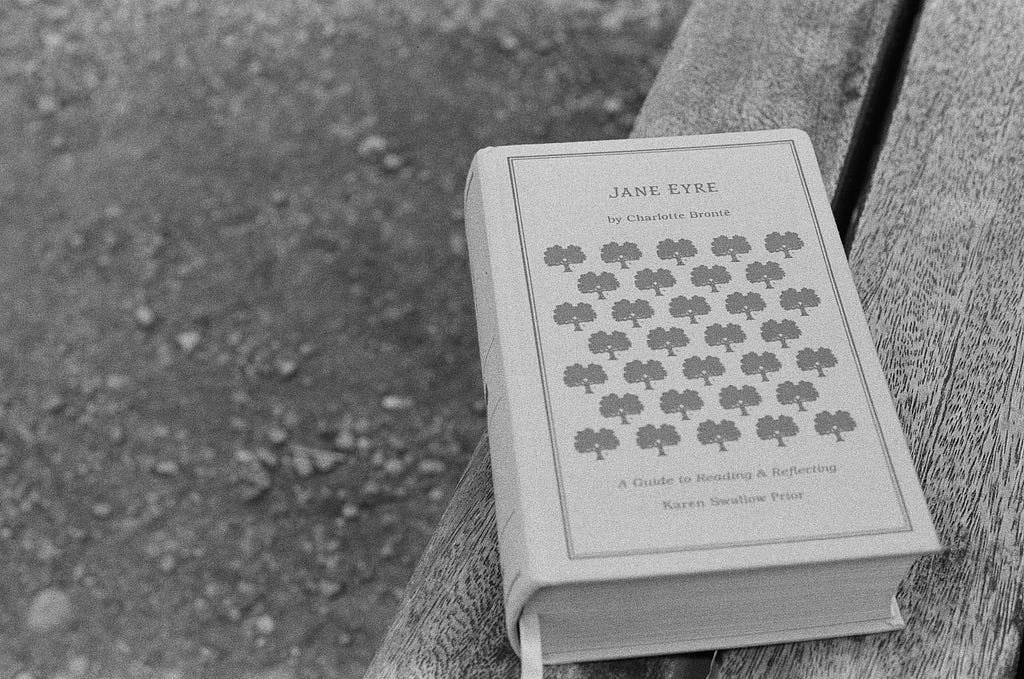
Literature: Jane Eyre: Love vs Self-Respect
In Jane Eyre, Jane loves Edward Rochester, but discovers he is already married.
Her choices:
- stay as his secret mistress
- leave and face poverty
Unlike many fairy tales, Jane chooses self-respect, but the narrative still traps her in a painful binary.
Freedom only becomes possible after fate conveniently removes the obstacle.
Shrek: Fiona’s Dilemma Explained
In Shrek, Fiona in part 1 lives in a tower all her life waiting with a bouquet of flowers to be rescued. What was originally thought to have been a helpless princess, we quickly saw how capable she was of taking care of herself later in the movie as an ogre. While I appreciate and encourage the deviation to show us more lies beneath the surface the plot still remains true to this day, that Fiona had a choice to leave the castle anytime she wanted. Even after she became an ogre her only choice was to give up being a princess so she could live in a swamp, the film poses a superlative dilemma that she chose to be an ogre over a princess for love and must now embrace her fate. Why this dilemma between being herself and standing up to her own ogreness in front of her parents? Her happily ever after starts with sacrifice and we are made to believe it is by choice.
All these mythology and fictional stories have shown from time to time what we have always known, a reflection of how societies were back then and how they pale in comparison to what current society is thriving towards. Some stories remain relevant to this day to remind us of how women choose their destiny based on their courage, freedom, and love but in most cases these happily ever after starts with undesirable choices and choosing lesser of the evil.
The problem doesn’t lie in the stories and the strange choices made by women rather lies in the stories never allowing them to have better ones.
Yes, Sound of Music would have ended differently if Maria didn’t pivot from wanting to be nun to wanting to be a mother of seven children, and had instead walked out of the musical in the end on the hills that are alive with a new kind of freedom; freedom to choose whoever she wants to be or at least spend sometime discovering herself first. Did we ever really solve the problem of Maria or even find out what her problem was?
Yes, Devil wears Prada would have ended a lot differently if Anna Hathaway’s character didn’t just have to choose between her personal life and a professional. A similar twist lies in the Intern movie as well where the struggle to be on top of her failing marriage while keeping uplifting thoughts about her struggling company becomes the real plot line. Why are there no movies where men face such dilemma? A successful woman like Miranda becomes meme worthy Toxic female boss and Anna who decided to bail in the fear of becoming a future fashion tough boss quits midway and she is hailed for her choice. Strange how we idolise women who make tough choices, never questioning why are they tough in the first place?
Every International Women’s Day, we are trying to highlight the strength of women, but the truth is every day women are often placed at the same narrative crossroads.
Choose love or freedom.
Choose power or acceptance.
Choose safety or identity.
The story ends when she sacrifices something.
Perhaps every Women’s Day, scratch that, every day we could strive towards a reality where women don’t have to decide between two cage-like decision and can write a third option.
We stop celebrating women for enduring the impossible choices and hail a generation of women that define themselves, unapologetically without having to give away something essential.
This reflection is part of Venting Cloud, a space where we unpack the ideas hiding inside the stories we grew up with.
Sometimes it’s a rant.
Sometimes it’s a cultural deep dive.
Sometimes it’s just asking questions we were never encouraged to ask.
Like this one:
Why were so many women in our stories forced to choose between the bad and the worse?
And what would happen if we started telling stories where they didn’t have to?