We used to “get used to digital things,” they said. But now, digital things have gotten used to us.
Every year, dictionaries around the world crown a “Word of the Year.” And lately, those words have all pointed in one direction – AI. Whether it’s “hallucinate,” “prompt,” or “artificial intelligence” itself, the linguistic spotlight has turned toward the digital revolution that quietly rewired our lives.
But this year’s selections make it clearer than ever: we’re not just living in the digital age – we’re defining it.
The words that prove it are the breakdown of the top choices from major dictionaries for word of the year for 2025; each one a mirror reflecting how deeply technology and AI have shaped our world:

It’s almost poetic: in an age where machines generate language, humans have responded by turning something as simple as a number into a global inside joke. “67” is proof that the internet has become its own living, breathing organism – one that speaks in code, humor, and collective chaos and gives proof of how numbers, emojis, and algorithms speak louder than words.
When did our phones start reminding us to leave early because traffic is bad – without us ever setting a reminder? When did our inboxes start finishing our sentences, or our calendars start scheduling meetings before we even thought to check availability?
There wasn’t a single “ta-da” moment. The digital age didn’t arrive with fireworks; it crept in quietly, disguised as convenience. One day, we were setting alarms manually. The next, our phones were whispering, “Hey, your flight’s delayed – maybe sleep in.”
We didn’t even blink.
Think about it. All those proofs of everyday life becoming digitalised. Like when our emails think for us. Autocomplete now knows our tone better than we do. It’s like having a polite assistant who finishes our thoughts, sometimes too accurately. Or when your streaming platforms offers you solace when you are going through something. I don’t know if they are listening actively or their algorithm is intuitive but they know our moods better than our friends. “Rough day? Here’s a comfort show you’ve watched 17 times.”
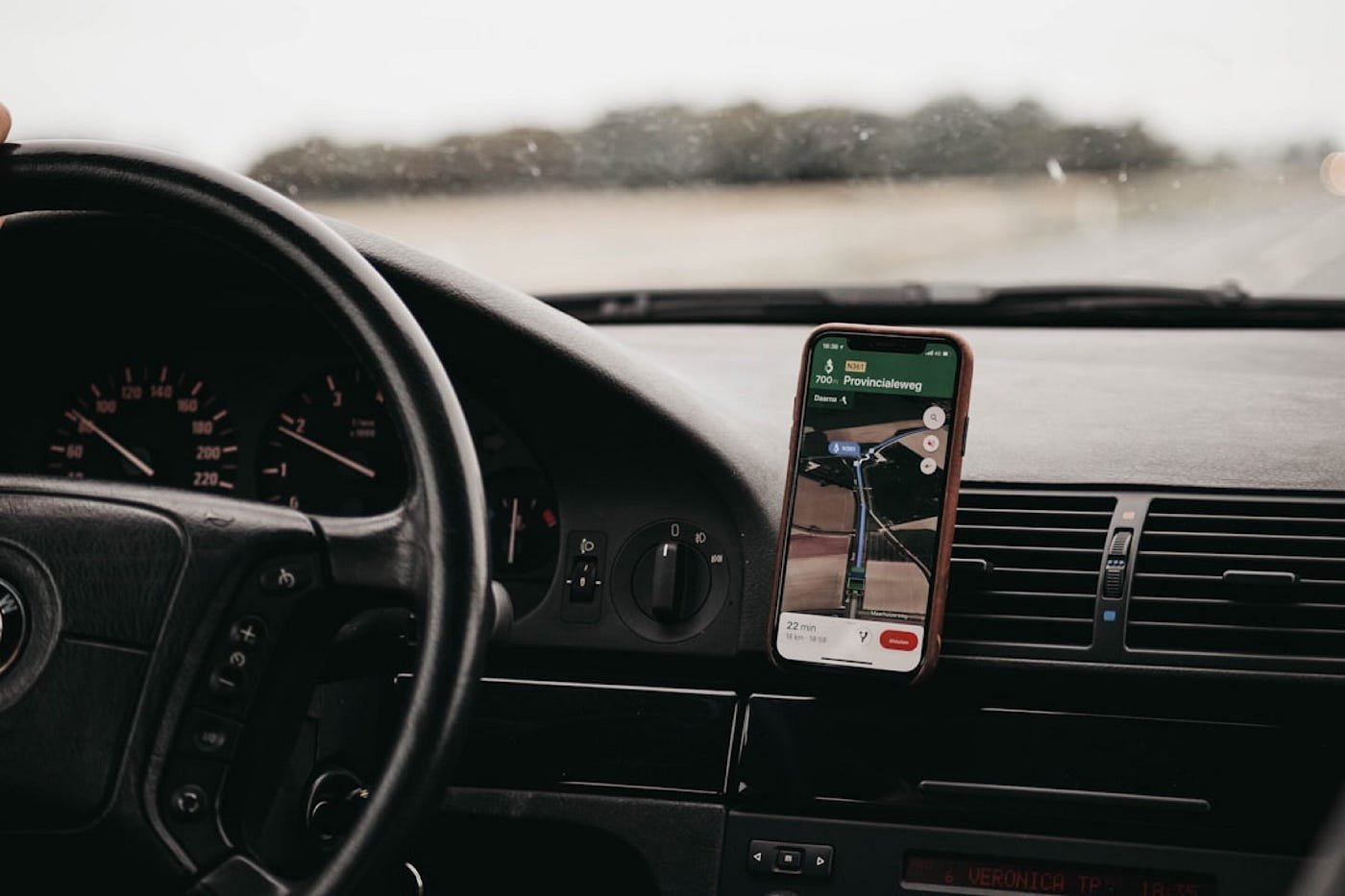
Let’s not forget the most digital of them all, navigation apps. I can’t even remember how we got from one place to another without these little magic boxes stuck to our car dashboards or digital maps on our phones. They’ve turned us into obedient followers of the blue line. If Google Maps told us to walk through a fountain, we might just do it.
Then came the biggest revolution, digital payments. Remember cash? That crinkly paper thing? Now, a double tap on a phone and a face scan can buy a houseplant, a coffee, or a car. We’ve become so accustomed to these digital miracles that imagining life without them feels like picturing a world without oxygen.
Somehow we have naturally progressed from digital assistance to digital dependence. Ask a child today what a “dial-up tone” is, and they might think it’s a new TikTok sound. Tell them about rewinding VHS tapes, and they’ll stare blankly, wondering why anyone would “wait” for anything.
Meanwhile, adults aren’t immune to the absurdity either. We panic when Wi-Fi drops for five minutes, as if civilization itself might collapse. We ask smart speakers to play music, set timers, and tell jokes; and then thank them, just in case they’re listening (which, of course, they are).
Even our pets are part of the digital ecosystem. Smart collars track their steps, diets, and moods. Somewhere, a golden retriever is unknowingly contributing to a data set about canine happiness.

My generation has spent ages adapting and developing this technology, but for the next generation,
this isn’t technology,
this is reality.
They won’t remember a time before predictive text, before AI art, before digital assistants that sound almost human. They’ll grow up assuming that everything, from homework help to health advice, comes with an algorithm attached.
Every era has its defining shift. The industrial age gave us machines. The information age gave us the internet. The digital age? It’s giving us intelligence – artificial, yes, but increasingly indistinguishable from our own.
The proof isn’t in the gadgets or the buzzwords. It’s in the quiet moments when technology anticipates needs before they’re spoken. It’s in the way we’ve stopped noticing the digital scaffolding holding up our lives.
We used to “get used to digital things,” they said. But now, digital things have gotten used to us.
If this isn’t proof we’re living in the digital age, then truly – what is?
And that’s the vent for today, straight from the Venting Cloud, where we let the algorithms listen while we humans do the venting. Because in a world run by code, sometimes the most human thing left to do… is just to htalk about it.