Because friendship is not only about who walks with us, but who we remember when we move ahead.
One of the oldest and strongest relationships in this life that is long lasting has to be “Friendships”. It starts with something as simple as “wanna hang out” to something that can be more complex than testing loyalty beyond vows, beyond contracts and beyond blood ties.
If you asked an introvert what is friendship, they would say it is just a quiet decision, made over and over again, to keep showing up for another person.
And yet, despite how freely friendships begin, they can become some of the hardest relationships to understand when they change. Experts have spent time teaching us through books, plays, movies, and history how friendships are nurtured and how they can break down. Some friendships stand the test of time. They survive decades, weathering distance, marriages, children, and career shifts. They evolve quietly, like old trees growing side by side – roots intertwined, branches reaching in different directions. These are the friendships that don’t demand constant proof. A single message after months feels like no time has passed. But even these can falter when life’s pace changes and priorities shift.
Nobody sets out thinking this is how a toxic friendship would look like. Kids make friends with other kids who sometimes bully them or hurt them emotionally or physically, and they don’t see the difference between this hurt. Kids fight, cry, and make up within hours. They push, tease, and forgive without overthinking. It’s a cycle of hurt and healing that repeats endlessly. Adults like to believe they’ve outgrown that, but often, they haven’t. The playground just looks different – offices, group chats, dinner tables. The same patterns play out: exclusion, favoritism, forgiveness, repetition.
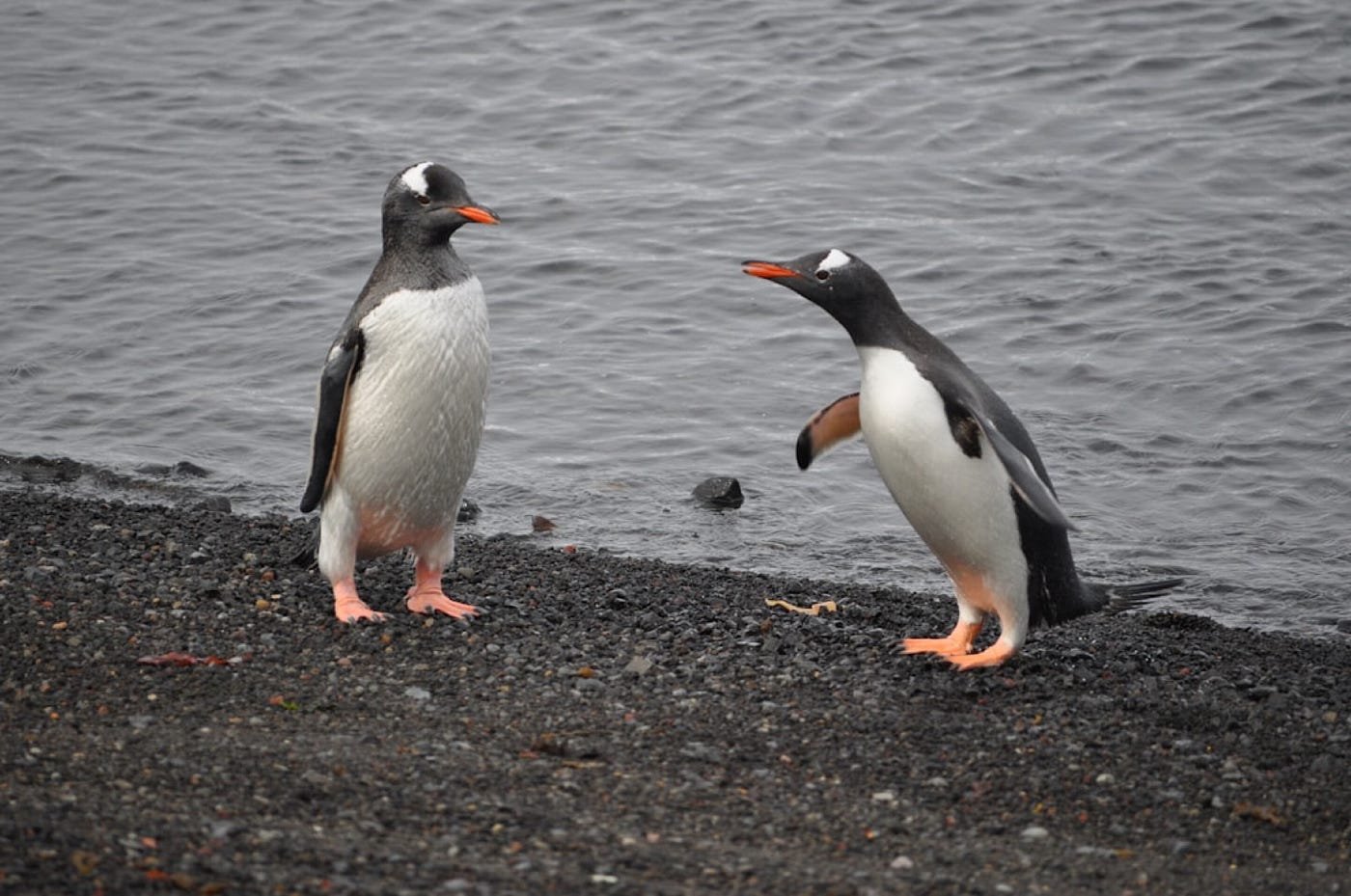
Every friendship has invisible boundaries – lines that define respect. When a friend mocks another’s partner, belittles life choices, or makes jokes about a child, those lines blur. What once felt like harmless banter starts to sting. Each comment becomes a nail in the head, small but cumulative. Setting boundaries isn’t cruelty; it’s self-preservation.
Few things sting more than realizing a friend doesn’t prioritize the relationship the same way. Being someone’s last resort – the backup plan, the “if no one else is free” option – chips away at self-worth. Yet many stay, hoping loyalty will be reciprocated. It rarely is. Friendship, like love, needs mutual effort.
I recently found myself in one of those awkward situations that I suspect many people have experienced but few ever talk about. A close-knit group of friends had always shared time together. There was an unspoken understanding that if one person was organising something, the original group was included. Not because it was a rule, but because that’s what friendship had always looked like.
Then, gradually, something changed.
One friend began inviting new people into every gathering. Friends of friends. Colleagues. New acquaintances. People the rest of us barely knew. There is nothing wrong with making new friends – in fact, that’s one of life’s greatest gifts.
The difficulty was that somewhere along the way, the original friendships stopped being consulted.
Plans were made before anyone else had a chance to speak. Invitations became assumptions. Decisions became one person’s decisions instead of the group’s. It no longer felt like our friendship. It felt like we had become guests in someone else’s social life.
The irony is that nobody disliked the new people.
This was never about exclusivity.
It was about belonging.
Sometimes your oldest friendships need space to remain exactly that – old friendships. Places where conversations don’t need explaining, where shared memories don’t require context, and where everyone feels equally seen.
Instead, our voices seemed to disappear beneath the excitement of expanding the circle.
And that’s when I began wondering whether friendship can become unbalanced without anyone intending it to.
Is it wrong to want to preserve the friendships that came first?
Is it selfish to ask for time with the people who helped shape your life before everyone else arrived?
Or is it simply human?
Funny how life works.
The people who once held your hand while your world was falling apart suddenly find themselves walking several steps behind you.
You move ahead with your new friends, laughing, making plans, building new memories, while the friends who helped you rebuild your life are left wondering when they stopped being enough.
We’re not jealous of your new friendships. We genuinely hope they’re everything you need them to be.
But don’t forget who answered the phone at 2 a.m. Who reminded you of your worth when you had none. Who celebrated your victories before anyone else knew your name.
New friendships should add to your life, not replace the people who carried you through its darkest chapters.
Because one day, if life falls apart again, you’ll discover that the people who knew how to put the pieces back together were never the ones who arrived after the picture was already complete.