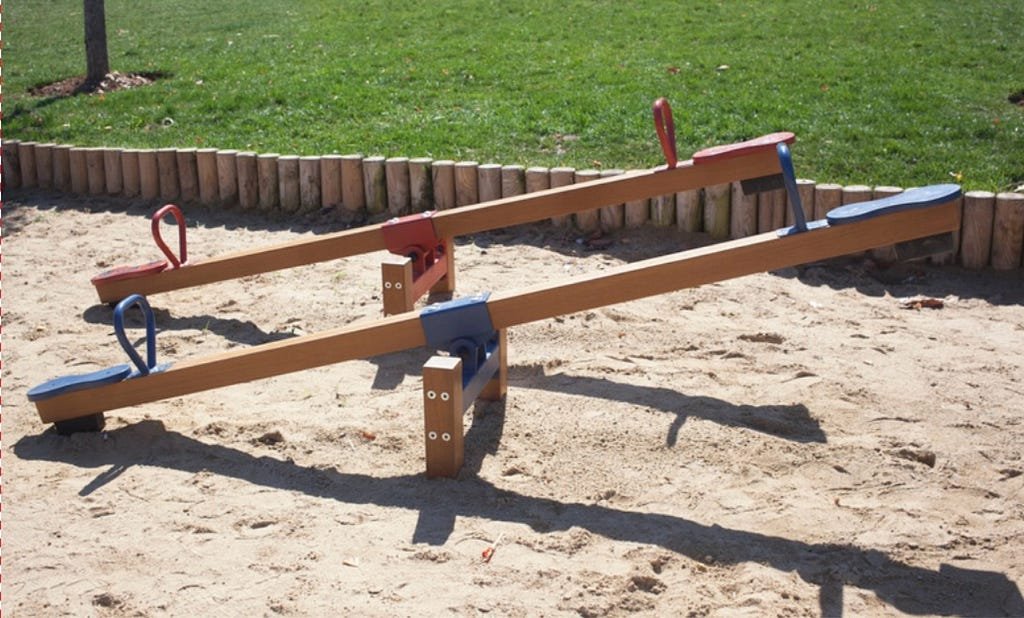
The Seesaw of Childhood: Expectations, Empathy, and Remembering Ourselves
It’s a strange place we’ve arrived at: asking children to act like little adults while simultaneously not trusting them with their own feelings. We expect them to regulate their emotions, sit still for hours, and adapt to adult schedules – all while being told to “enjoy being a kid.”
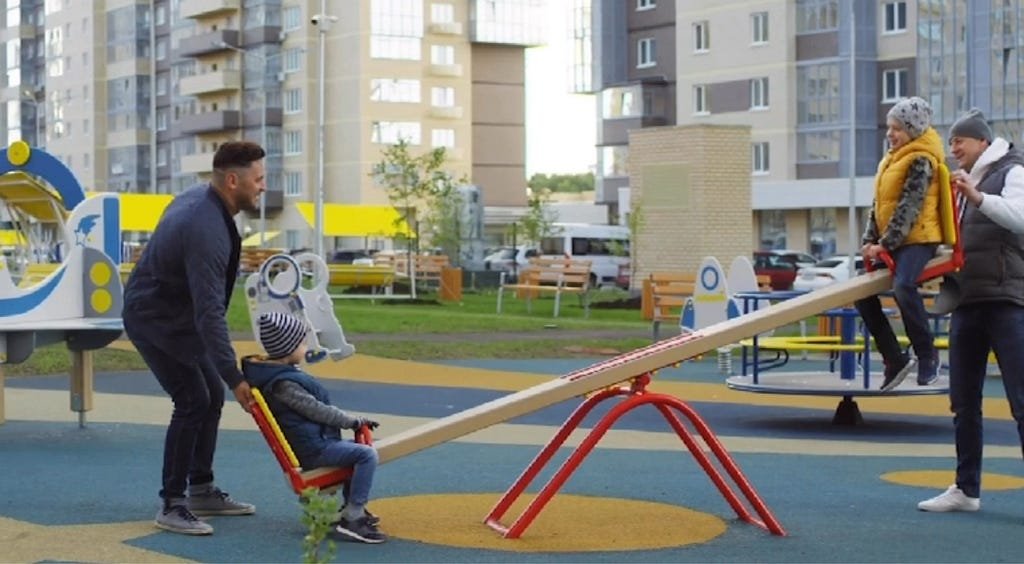
We sometimes ask them to leap over developmental hurdles they haven’t grown into yet. But we also shrink their voices when they offer perspectives that challenge ours. This is the seesaw. The constant tipping between too much and too little. Between guidance and control. Between freedom and fear.
In today’s world, everyone has expectations of your child – teachers, peers, relatives, even strangers. They’re expected to be smart, kind, confident, obedient, talented, emotionally mature, and resilient – all at once. And as parents, we’re constantly asking ourselves: How do I prepare my child for a world that can be harsh, demanding, and unfair?
We don’t want to raise them in a cocoon. We know reality is tough. We know that living a meaningful, fulfilled life requires hard work, perseverance, and grit. But here’s the line we walk: we want to raise children who are strong – without stripping them of their softness.
We want to build character, not simply expose them to hardship.
We want to nurture boldness, not arrogance.
We want to guide them toward purpose, not fuel vengeance
That’s the balance we strive for every day; to raise children who are strong enough to face the world, but gentle enough to remain compassionate. Children who can hold boundaries, but still lead with empathy. Children who are prepared, but not hardened.
We want to guide them, shape them, give them our wisdom so they don’t make the same mistakes we did. But our children are not copies of us. They are not projects to be completed. They are people – with their own instincts, their own desires, their own way of seeing the world.

And this creates a kind of seesaw:
On one side, there’s the version of our child we believe is “right” – kind, respectful, focused, well-behaved, hardworking.
On the other side, there’s the version of our child that feels right to them – curious, expressive, emotional, loud, independent, sometimes rebellious.
We go back and forth, trying to decide: Which side is better? Which side holds more truth?
And the answer isn’t always clear.
Because the truth is, none of us knows what kind of person our child will grow up to be. We’re all guessing, guiding, hoping. We think we know what’s best, but we forget – our own parents once thought they knew what was best for us too.
Yet here we are, grown into people our parents may not have fully expected. We carry their influence, yes, but we also carry our own lived experiences, choices, and transformations. The same will be true for our children.
So maybe the goal isn’t to control the seesaw, or to try to keep it perfectly balanced at all times. Maybe the goal is simply to stay on it with them – going up and down together, learning from each other in the process.
If parenting is a seesaw – between guidance and freedom, structure and softness, our vision and their becoming – then the real skill is learning how to stay on the seesaw without tipping it over.
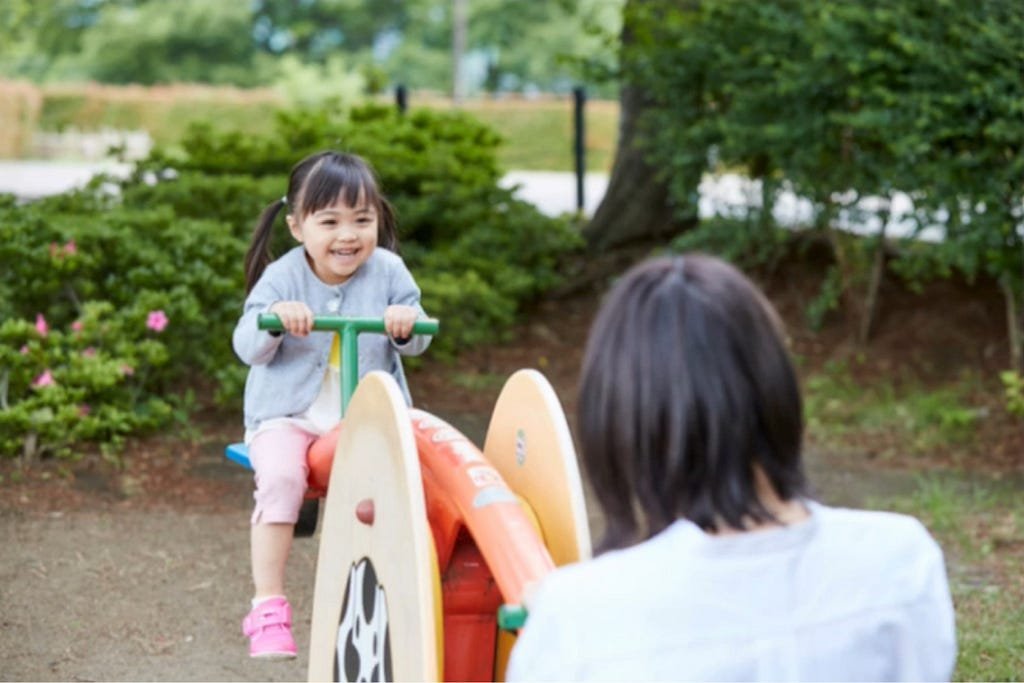
Here’s how we can do that – not perfectly, but intentionally:
1. Lead with Listening, Not Lecturing
Sometimes, kids just want to be heard without being fixed. Before jumping in with advice or correction, pause and ask:
“Do they need a solution right now, or just someone to sit with their feelings?”
By simply taking that pause, it tells them their voice matters.
2. Share, Don’t Shame
It’s okay to talk about values, consequences, and boundaries. But how we do it matters. Instead of “You should know better,” try “Here’s why I feel this is important.”
The goal isn’t obedience – it’s understanding. That’s how you build character, not compliance.
3. Let Curiosity Lead
When your child wants to try something that feels unfamiliar or uncomfortable to you, ask yourself: Is this unsafe, or just different from how I would do it?
Not everything unfamiliar is wrong. Sometimes, it’s growth knocking at the door.
4. Make Room for Mistakes – Theirs and Yours
Let them mess up. Let them fall short. Let them see you do the same. Apologize when needed. Repair when things feel tense. That’s how they learn that growth isn’t about perfection – it’s about resilience.
5. Hold the Long View
Remember, this is a long game. Your child is not a finished product at 7, 13, or even 19. They are unfolding. Becoming. Your job isn’t to sculpt them into someone now, but to walk beside them as they become someone over time.
Not every child jumps onto life’s seesaw with boldness. Some hesitate. Some sit quietly on the sidelines, afraid to rise; but even more afraid to fall.
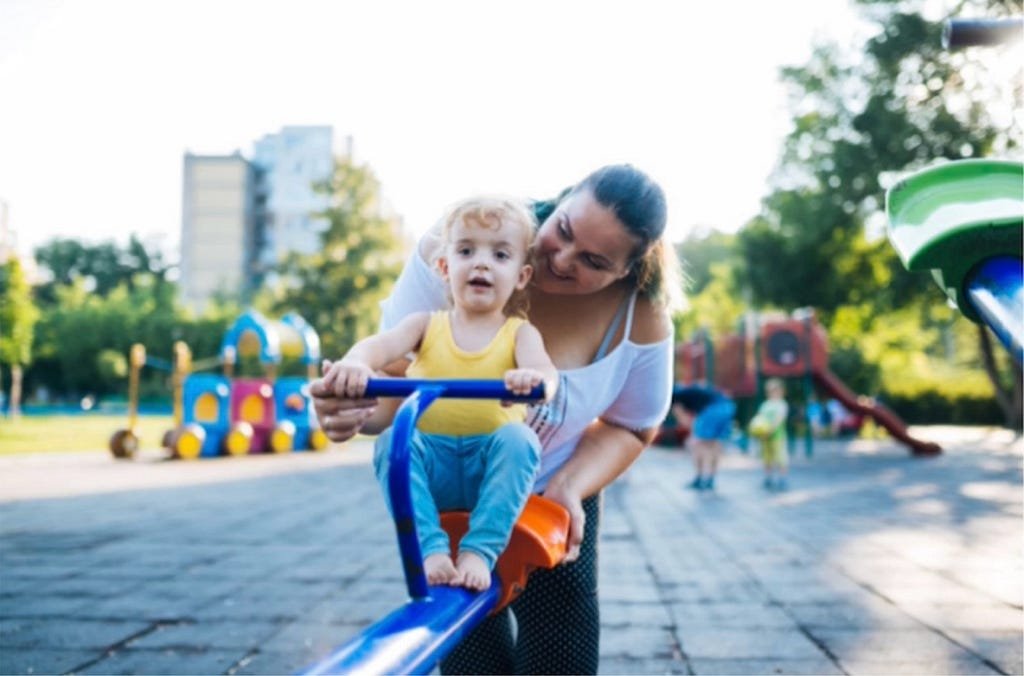
These are the children who are scared to make mistakes. Scared to not be “enough.” Scared to disappoint ‘not just you, but themselves.’ They’ve already begun to internalize a deep pressure to get it right, and so their sense of self becomes tied up in perfectionism, approval, or avoidance.
They may ask for help with everything – not because they’re incapable, but because they’re afraid of failing alone. And in that fear, their self-discovery becomes clouded. They don’t trust their own instincts. They wait for someone to lead the way.
What these children need most is empathy, yes – patience, understanding, and reassurance that they are still worthy even when they fall short.
But they also need something else: a firm and loving reminder that they’ve got this.
Because if we only comfort them, they may never grow the confidence to try. And if we only push them, they may shut down altogether. They need both:
A hand to hold, and a gentle push forward.
So how do we help them?
• By praising their effort, not just their outcome.
• By normalizing failure as part of the process.
• By giving them small opportunities to choose, to lead, to decide – even when it’s messy.
• By saying, “I know this is hard, but I believe in you. You don’t have to be perfect. You just have to be willing to try.”
The goal isn’t to force them into independence overnight. The goal is to help them discover the quiet voice inside themselves, epecially the one that says, “I can handle this.”
And eventually, they will. Maybe not today, maybe not even next week. But if we stay with them – if we walk beside them without carrying everything for them – they’ll slowly learn to rise, to wobble, to fall, and to try again.
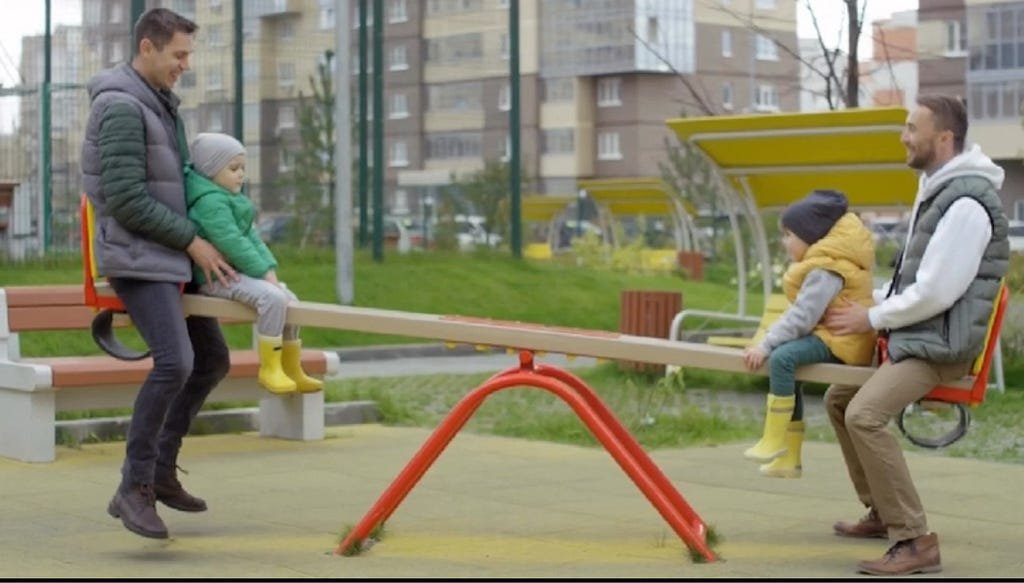
They’ll get on the seesaw in their own time.
And when they do, they won’t just be stronger – they’ll be braver. Not because the fear disappeared, but because they learned to move forward with it.
It’s okay to feel unsure. It’s okay to wonder if you’re doing it right. What matters is that you’re paying attention, that you’re willing to adjust, to learn, to unlearn, and to love them through the ups and downs.
You don’t have to win the seesaw. You just have to stay on it – eyes open, heart open, holding steady through the rise and fall.
Because one day, your child will look back and remember not just what you taught them – but how you made them feel while they were still figuring out who they were.
Every child sits on their own seesaw – rising with hope, sinking with fear. Our role isn’t to control the tilt, but to be the steady weight that helps them find balance until they can hold it on their own.”