
“ Sometimes the heaviest storms are the ones no one else can see.”
Remember the 80’s? When “mental health” meant blasting Bon Jovi, eating Maggi straight from the pan, and pretending everything was fine because “feelings” were for movie characters? Fast forward to now — we’ve traded cassette tapes for burnout playlists and replaced “I’m fine” with “I’m functioning… mostly.”
Welcome to Venting Cloud, today we have a lot to say about something that is the very foundation of my blog podcast, a reason for my being in fact. This blog is for anyone who’s ever felt like they’re the “therapist’s therapist” — the one everyone turns to for advice, comfort, and calm, even when their own mind feels like a browser with 47 tabs open and one playing mysterious background music. Being that person is both a gift and a burden. It means you care deeply, but it also means you often forget to care for yourself. To everyone, who feels like they are hanging by a thread — tie a knot, take a breath, and remember: even clouds need to vent before they clear. That’s what Venting Cloud is all about — turning the storm into something that reminds us we’re all under the same sky, just trying to find a little sunlight through the static.
Let’s be honest: if therapy were a group project, half of us would show up late, one would cry, and the therapist would need a therapist by the end of it. Because sometimes, unloading your emotional baggage feels less like a session and more like handing someone a suitcase full of bricks and saying, “Good luck, doc.”
But have you noticed even the strongest, smartest, most put-together people have a tipping point. The colleague who just quit after eight years without a word? That wasn’t impulsive. That was exhaustion wearing a polite smile for too long. It’s the quiet ones, the “I’ve got this” ones, who often carry the heaviest loads until one day, they just… drop them.
We grew up in a world that said “tough it out,” but toughness without tenderness is just tension in disguise. Mental health isn’t a luxury spa day; it’s basic maintenance, sort of like changing the oil in your brain before it starts smoking.
It’s about time we as a society start normalizing saying, “I’m not okay,” without needing a dramatic soundtrack. Maybe therapy isn’t about fixing what’s broken but about preventing the therapist from needing therapy after hearing your week.
Because the truth is, everyone’s got a limit; even the ones who look limitless. And if the 80’s taught us anything, it’s that even rockstars burn out. The difference now? We actually talk about it or preferably blog about it.
So why read this? Because Venting Cloud isn’t just another blog about mental health . It’s a mirror, a megaphone, and sometimes a much-needed laugh in the middle of the madness. It’s a reminder that even the strongest need space to fall apart, and even the most composed deserve to exhale.
Sometimes people want to give up, not because they’re weak, but because they’ve been strong for too long. They’ve been sprinting through storms, juggling deadlines, disappointments, and dreams that feel like they’re slipping through their fingers. And when they finally pause, the silence feels heavier than the noise. That’s when encouragement matters most , not the “you got this” kind printed on coffee mugs, but the real kind that says, “It’s okay to rest. You’re not broken. You’re just tired.”
Stress, exhaustion, and disappointment are sneaky little gremlins. They don’t knock on the door; they just move in quietly, rearrange the furniture in your head, and suddenly everything feels off. One small trigger — a missed email, a harsh word, a bad day — and boom, the whole emotional Jenga tower wobbles!
Back in the day, if someone said they were struggling mentally, the response was usually, “Are you sick? But you look fine!” Because apparently, unless you were coughing up a lung, you were expected to show up, smile, and “be grateful.” Mental health was frowned upon like it was a bad haircut — something to hide, not heal.
You can’t see Wi-Fi either, but try living without it. Mental health works the same way — invisible, essential, and occasionally unstable when overloaded.
Taking a sick day for mental health isn’t weakness; it’s wisdom. It’s saying, “I need to reboot before I crash.” Because burnout doesn’t come with a warning light; it just shows up one day and takes your motivation hostage.

Our older generation didn’t see this much, but that doesn’t mean it didn’t exist. They just masked it well under family drama, lifelong friendships and economic turmoil. They blamed astrology, numerology, and evil eye or just plain economy for any behaviour that was incomprehensible. And who can blame them? When you are always going on full speed, who has the time to stop and poke around your engine or dashboard and notice what’s wrong. You are too engrossed to see the check engine light. You probably ignored it all your life thinking nothing wrong can happen and then one day when it comes to teaching your child to drive, you teach them to ignore the check engine light too.
In the old days, therapy didn’t have a couch or a co-pay. It was your best friend sitting on a terrace at midnight, sharing chai and secrets. It was your mother’s quiet advice, your sibling’s sarcastic pep talk, or your neighbor’s unsolicited wisdom. Back then, your “therapist” was whoever had the patience to listen and the decency not to judge.
We leaned on friends because that’s what community meant — being each other’s safety net when life got too heavy. A friend’s shoulder was the original therapy chair, and laughter was the first antidepressant. Those late-night talks, the shared silences, the “I get it” moments — they were healing long before therapy became mainstream.
But as life got louder and lonelier, we stopped talking. We replaced conversations with notifications and comfort with convenience. Friendship used to mean showing up at someone’s door with ice cream and bad advice. Now it’s liking their post, dropping a heart emoji, and calling it emotional support. The digital age has redefined connection . We’re more “connected” than ever, yet somehow lonelier than a dial-up modem on a Monday morning.
In the influencer world, friendship often comes with ring lights and hashtags. It’s curated, captioned, and sometimes completely choreographed. But real friendship? It’s messy, unfiltered, and doesn’t care if your hair looks like a rejected 90’s music video. It’s the friend who listens when you say, “I’m not okay,” and doesn’t respond with a typical AI response of “Have you tried yoga?”
Mental health in the digital age is like walking through a funhouse mirror maze, where everything looks familiar but slightly distorted. We compare our behind-the-scenes chaos to everyone else’s highlight reels and wonder why we’re not thriving, why we are not living. The truth? Nobody’s thriving all the time. Some are just better at using filters, both on their photos and their emotions.

And then there’s the new-age twist — AI companions, digital confidantes, and chatbots that listen without judgment. It’s comforting, sure, but also dangerous if it replaces real human connection. Because while AI can simulate empathy, it can’t hold your hand, read your silence, or remind you that you’re more than your worst day. Relying too much on a digital friend can blur the line between comfort and isolation — and that’s a slippery slope.
Mental health isn’t a trend, a hashtag, or a self-care Sunday post. It’s a daily check-in with the most important person in your life: yourself. A mental health reality check means asking the uncomfortable questions such as “Am I okay?” or “Do I need help?” or “When was the last time I actually rested, not just scrolled or moved to other’s whims?”
It’s about noticing the signs before the meltdown, setting boundaries before burnout, and realizing that saying “no” is sometimes the most powerful form of self-care. It’s not selfish but it’s survival.
Prioritizing mental health doesn’t mean living in a bubble of positivity; it means accepting that some days will be thunderstorms and others will be sunshine and both are part of the forecast.
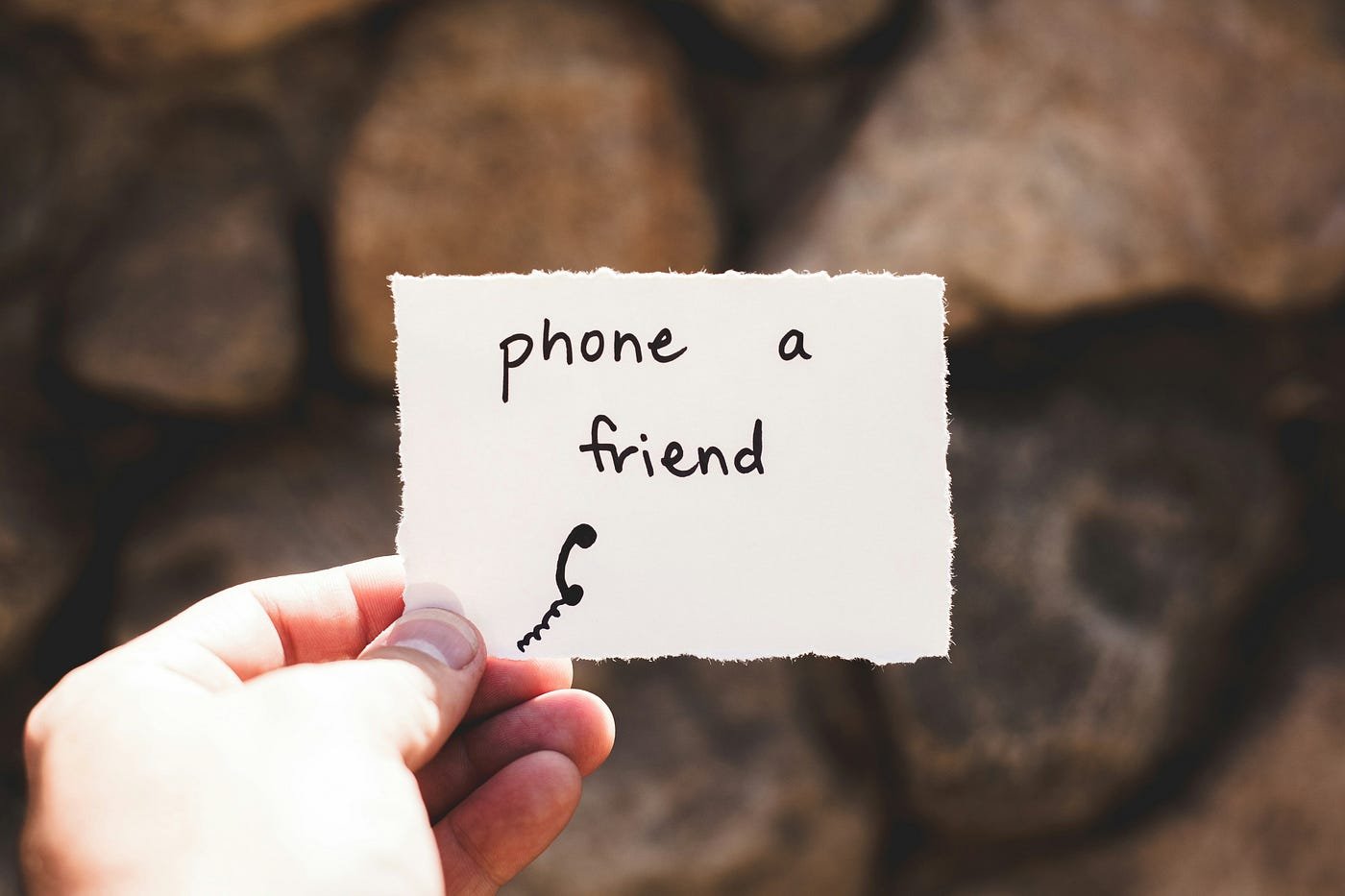
So, as the clouds gather and clear, remember this: Venting Cloud isn’t just a name, rather it’s a reminder that letting it out is better than holding it in. Because bottling emotions is like shaking a soda can — eventually, it’s going to explode, and probably on the wrong person.
Take the break.
Make the call.
Have the cry.
Laugh at the chaos.
Notice your energy not just your schedule.
Reach out — whether it’s a friend, therapist or journal.
That’s the real mental health reality check. It’s not about perfection; it’s about permission — to feel, to vent, and to heal.
And if life feels heavy, just remember: even clouds need to vent before they shine.