

We Know Them. Or Do We?

When life gives us lemons, what do we do? We make lemonade.
But if life gives us unavailable men, what do we do? Toss them out or squeeze the joy out, figuratively.
Growing up, we have adored some fictional men, who were complicated or broken only to be fixed by the lady coming to her rescue; we spend so much time asking whether a fictional man is good or bad that we forget to ask a more uncomfortable question: what exactly are we willing to forgive when we want someone to be the one?
Especially if you explore why some male characters can be frustrating, emotionally unavailable, even toxic, and yet remain iconic, beloved, or endlessly debated.
The man who loves you but won’t choose you:
Mr Big (Sex and The City)

This man who loves Carrie, but rarely on the timeline or in the way she wants is perhaps the most complicated character ever written. Charming, successful and seemingly incapable of giving consistent reassurance. We are led to believe he is her end game yet we struggle to understand what he wants. Is he the great love of her life, or the great lesson she keeps having to learn? And how much of his appeal comes from the uncertainty he creates? Through six seasons and movies, we are left pondering what is it that Mr. Big brings in his behaviour that makes him seem oh so romantic when in reality would have been quite infuriating and exhausting.
The man who doesn’t always realise what you need:
Sheldon Cooper (The Big Bang Theory)
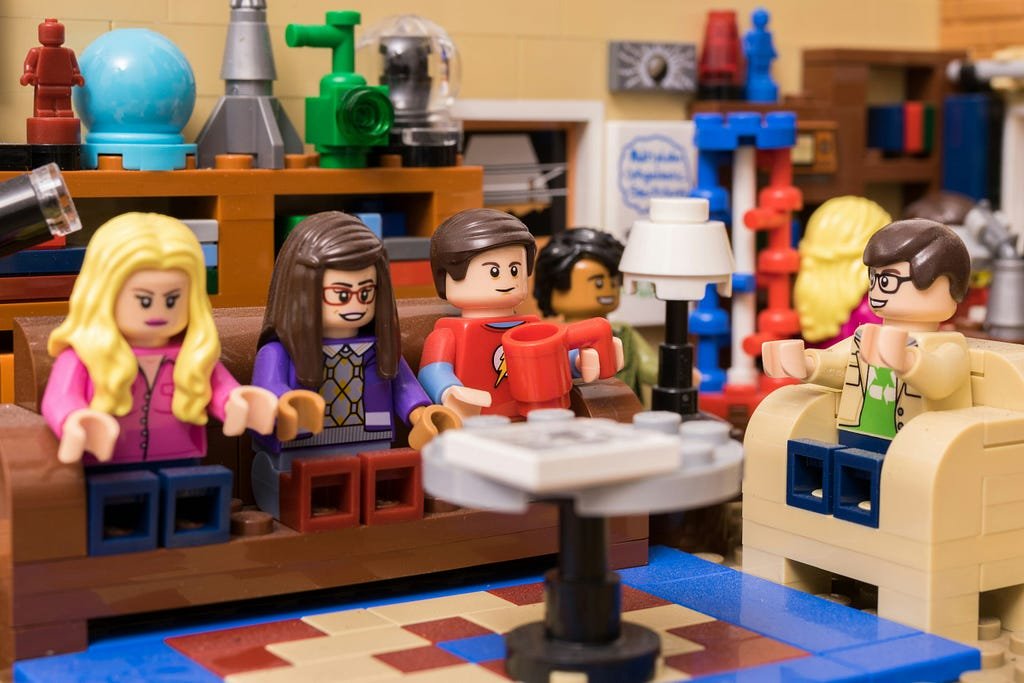
Sheldon is intelligent, eccentric, rigid, self-centred and frequently oblivious to other people's feelings. He can turn an ordinary social interaction into a contractual negotiation.
Yet we laugh at him, root for him and, at times, find his peculiar way of caring unexpectedly touching. His behaviour is often funny on television. In real life, would we be as forgiving if we were the person constantly expected to accommodate him? His relationship with Amy is especially interesting. Their story explores two people learning how to build a relationship despite very different emotional needs. But it also raises the question of how much adapting one partner should have to do.
The distinction I find most interesting is that Mr Big’s problem is often what he chooses not to give; Sheldon’s is often what he struggles to recognise he needs to give.
Both can frustrate the people who love them, but for very different reasons.
The man who changes, but only after getting it wrong:
Mr Darcy (Pride and the Prejudice)

Proud, socially awkward, judgemental and terrible at communicating his feelings. Yet his willingness to reflect, change and act without demanding credit makes him an enduring romantic hero.
When does a difficult man deserve a second look? Is it his potential that attracts us, or the evidence that he actually changes? We create mental portraits of the people we love. He's the stubborn one. She's the worrier. He's the one who never talks. She's the one who always takes charge.
Sometimes these descriptions are accurate. But if we hold on to them too tightly, we stop noticing when the person changes.
The real question is am I responding to the person in front of me, or to the version of them I’ve carried around in my head for years?
The man whose flaws are forgiven because he’s charming:
Tony Stark (The Iron Man)
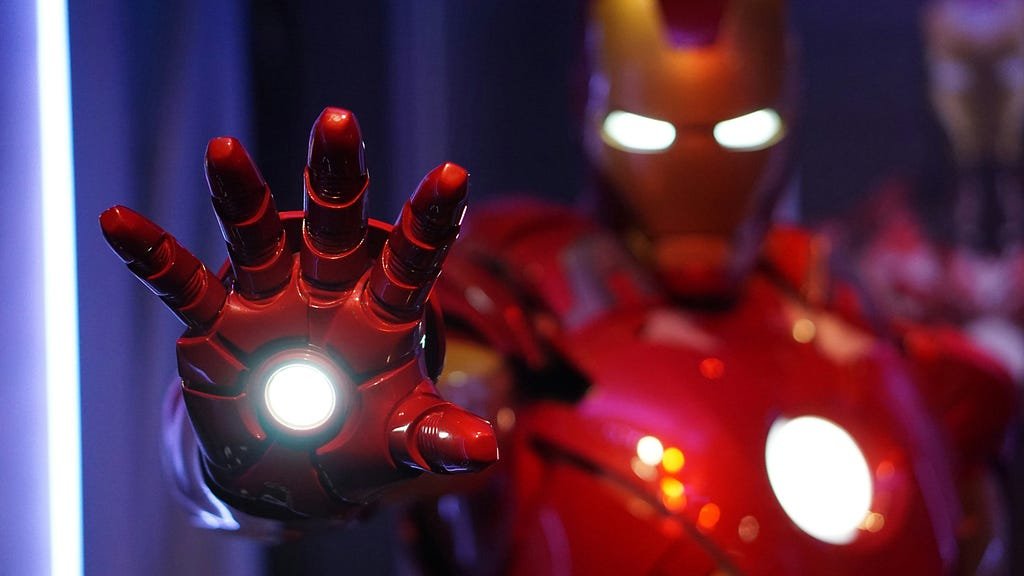
From romantic fandom to superhero-dom, nothing speaks as loudly as what Tony Stark’s character brings. Arrogant, reckless and emotionally defensive, but funny, brilliant and capable of sacrifice. His flaws are part of his appeal, not incidental to it.
Why is confidence attractive even when it tips into arrogance? And why does humour make certain flaws easier to forgive? We know how much Pepper has to put up with Tony, and it’s not a coincidence that we somehow oversee what he is lacking, to what his presence means to the bigger picture of the Marvel Avengers.
The man whose pain becomes his defence:
Professor Snape (Harry Potter)
He is cruel, bitter and yet capable of extraordinary courage. His story forces us to hold two truths at once: he made meaningful sacrifices, and he treated people terribly.
No one likes Snape for the majority of the Harry Potter series and rightfully so, he knew who Harry was and what he had gone through and having truly loved Lilly he still made his unnecessary rude behaviour known, but somehow he redeems himself like a phoenix from ashes out of a selfless act. We have come across many such men in real life who are awful to start with but through one act of redemption and suddenly it’s short term amnesia and we stop faulting their other faults.
Does a tragic backstory explain someone’s behaviour, or do we use it to excuse what we would never accept from someone in real life?
The man who thinks he is right:
Ross Geller (Friends)

Let’s face it, we all loved Ross! He is intelligent, sensitive, romantic and deeply invested in the people he loves. But he can also become so focused in proving his point that he loses sight 😔 of what the other person is feeling, even when his actions hurt Rachel, he sees himself as the reasonable one. Sometimes difficulty in relationships is not always because of a difficult person whose feelings we cannot uncover, it’s sometimes because when you love someone deeply you become defensive when you point out a flaw and if your partner remembers an argument differently from you, you are caught in predicament of who’s right? When in reality both lose.
I particularly like Ross, because he introduces the idea that we all have a version of events and our partner would have a different version of the same story. We spend so much time trying to figure other people out, how often do we stop to question the character we’re playing in their story?
The man you might misread:
Mark Darcy (Bridget Jones Diaries)

Probably inspired from the original Darcy from Jane Austen’ , the Darcy of Bridget Jones’s Diary created by Helen Fielding shows us how a man’s feelings and actions don’t always announce themselves in the way we expect.
Mark initially comes across as stiff, reserved and rather judgemental. He’s not the obvious charmer. He’s not always expressive, and he doesn’t necessarily give Bridget the immediate reassurance she might want. Mark greatly reminds us that first impressions aren’t always complete impressions. Someone who initially seems cold might be thoughtful; someone who struggles to express themselves might still care deeply.
This doesn’t mean we should have to invent hidden goodness in someone or endlessly decode their behaviour. Their actions over time matter more than the story we construct about them.
This brings us to the centrafugal point of this venting blog:
How well can we ever really know another person?

We spend so much time trying to understand fictional men. We analyse their silences, debate their intentions and dissect their behaviour as though, given enough time and enough rewatching, we might finally crack the code.
And then we turn off the television and return to our own lives.
To the husband we’ve known for fifteen years who reacts to something in a way we never expected. The partner who surprises us with a tenderness we didn’t know he possessed, or a silence we don’t know how to interpret. The man whose habits we can predict, but whose thoughts we cannot always reach.
We know their coffee order. We know their pet peeves. We know which stories they’ve told a hundred times.
But do we know what they’re thinking right now? We start treating our understanding of them as a finished book, forgetting that people are still writing themselves.
After all these years, do we want our partners to become more predictable ; or do we want to keep discovering who they are?
The most interesting men aren’t necessarily the ones we can never figure out. They’re the ones who remind us that there is always more to a person than our version of them.
And that applies to women, too. We are not always transparent to the people who love us. We can surprise ourselves with our own reactions.
There is a difference between accepting that you’ll never fully understand another person and constantly having to guess where you stand with them.
Fictional male characters give us the luxury of studying a person from the outside. We see their backstory, their private thoughts, their motivations and sometimes even the things they cannot admit to themselves.

Real life doesn’t come with that director’s commentary.
Take Mr Big. We spend hours analysing why he pulls away, why he returns and what he really feels about Carrie. We can debate his motivations because the story gives us clues.
But in real life, your husband might go quiet after a conversation. You might wonder whether he’s upset, distracted, tired, worried or simply processing things differently from you. You can ask him, but even his answer might not tell you everything.
Living with someone is not the same as having complete access to their inner world.
The first is part of intimacy. The second can become exhausting.
We don’t need our husbands to be entirely predictable. We need to feel safe enough to be surprised by them.
We should be able to discover a new insecurity, a hidden tenderness, an unexpected opinion or a reaction we didn’t see coming without immediately fearing that the relationship itself is in question.
And when a reaction hurts us, understanding why it happened doesn’t mean we have to pretend it didn’t hurt.
Mystery can keep a person interesting. Uncertainty about whether you’re emotionally safe with them is something else entirely.
We don’t need our men to be perfect. We don’t need them to react exactly as we expect, express every feeling as we would, or become so familiar that there is nothing left to discover. But we do need to feel that, beneath all those quirks and contradictions, there is someone willing to meet us halfway.
Someone who can listen, learn, apologise and grow. Someone who allows us the same room to be complicated, occasionally unreasonable, imperfect and surprising.
The challenge is to stay curious without making excuses for behaviour that hurts us. In my view, the problem isn’t always that the men we love are complicated. Perhaps it’s that, once we’ve decided who they are, we stop leaving room for them to surprise us.
Some fictional men will always live rent-free in our heads. The real ones? Well, they have the house keys. The least they can do is occasionally make us a cup of tea.